
By AlankarAI Editorial Team · 5 min read · Reviewed for practical styling guidance
Bridesmaid Accessories Checklist for Indian Weddings: Jewelry, Bags, and Footwear That Actually Work
A bridesmaid look needs more than one pretty set of earrings. Use this practical checklist to plan jewelry, bags, footwear, and function-by-function styling for Haldi, Mehndi, Sangeet, Wedding, and Reception.
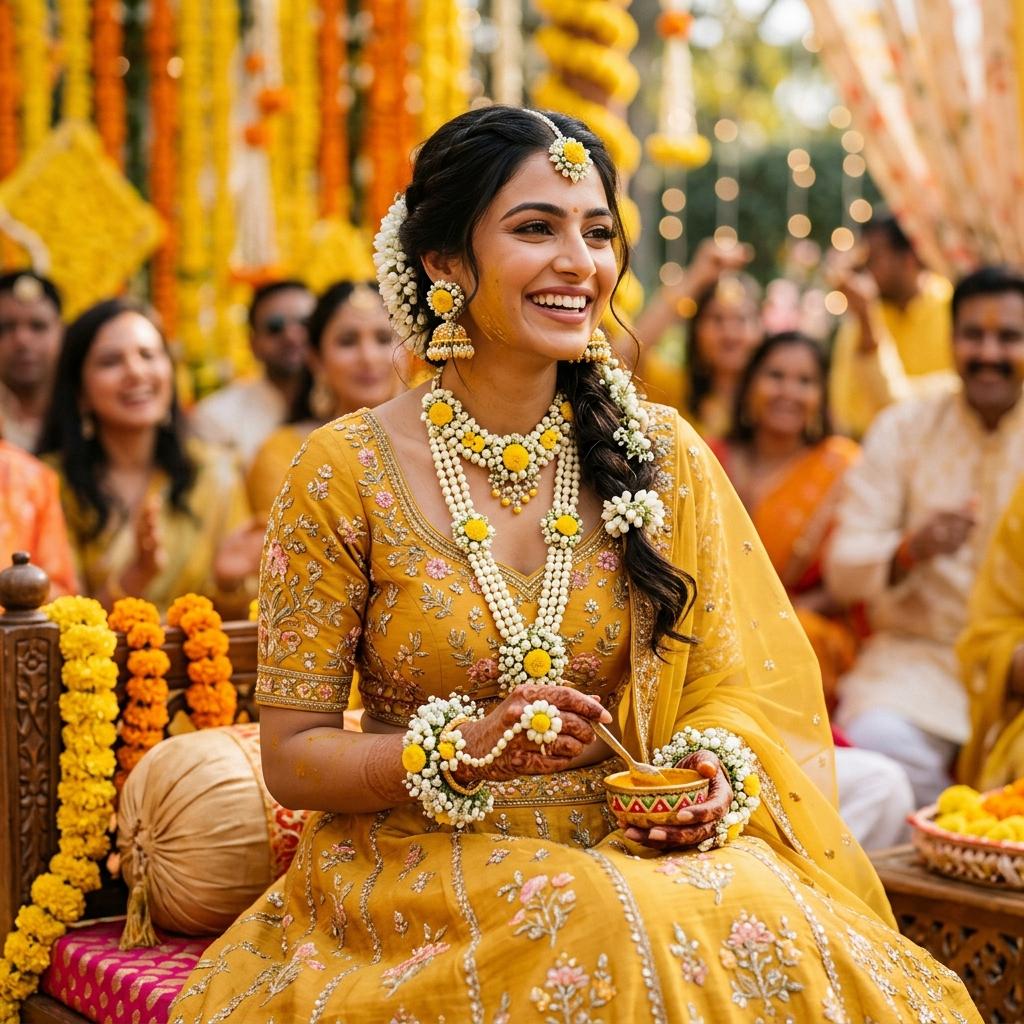
Being a bridesmaid at an Indian wedding sounds glamorous until you realize how many decisions pile up across multiple functions. One event needs lightweight floral pieces, another needs dance-friendly glamour, and by the final evening you still want to look polished without carrying half your wardrobe in a suitcase.
The easiest way to stay stylish is to stop shopping randomly and start planning by function. This checklist is designed for bridesmaids who want jewelry, bags, and footwear that feel coordinated, comfortable, and realistic across a full wedding schedule.
1. Start With the Wedding Calendar, Not the Accessories
Before you buy anything, list the actual functions you are attending:
- Haldi
- Mehndi
- Sangeet
- Wedding ceremony
- Reception
The same accessory strategy will not suit every event. Haldi usually needs light, washable, daytime-friendly styling. Sangeet needs movement. Reception needs structure and polish. When you see the events clearly, it becomes much easier to decide what deserves budget and what can be repeated.
2. Jewelry Checklist: Choose Pieces You Can Rewear
Bridesmaids often overpack jewelry because they plan full sets for every outfit. A better approach is to build a small accessory wardrobe that can shift with styling.
Core jewelry pieces worth carrying
- One pair of statement earrings: for Sangeet, Reception, or a simple wedding guest saree
- One lighter pair of jhumkas or studs: for Haldi, Mehndi, or family lunches
- One stack of neutral bangles: gold-toned or pearl-toned works best
- One cocktail ring: enough to finish an evening look without becoming uncomfortable
- Optional maang tikka: only if one outfit truly needs face framing
If your outfit necklines vary, earrings will usually give you more flexibility than a necklace-heavy plan. Necklaces are harder to repeat because they depend so much on blouse shape, embroidery density, and dupatta styling.
3. Bag Checklist: Match Scale to the Event
The best ethnic handbag is not just beautiful. It has to suit the time of day, the outfit weight, and what you actually need to carry.
What works best by occasion
- Haldi and Mehndi: smaller potlis, embroidered wristlets, or colorful clutches
- Sangeet: secure box clutch or compact shoulder-friendly bag you can hold easily
- Wedding ceremony: structured but not oversized, especially with sarees and lehengas
- Reception: metallic or embellished clutch with cleaner lines
Avoid carrying a heavily embellished bag with an already heavy lehenga unless the finishes are clearly connected. If both the outfit and the bag compete for attention, the whole look can become visually noisy.
4. Footwear Checklist: Comfort Matters More Than People Admit
Bridesmaids spend long hours standing, moving, helping, and walking across venues. Shoes that look good for ten minutes and hurt for six hours are not worth it.
Better footwear rules
- Block heels are usually more useful than thin stilettos
- Juttis work especially well for Mehndi, Haldi, and daytime ceremonies
- Metallic sandals are easier to repeat than shoes in very specific colors
- Break in footwear before the event instead of wearing it first at the venue
If one function is dance-heavy, plan your shoes for that event first. Sangeet discomfort has a way of ruining the rest of the look.
5. Function-by-Function Bridesmaid Checklist
Use this table to plan quickly without reinventing your look every time.
| Function | Jewelry Direction | Bag Direction | Footwear Direction | Styling Goal |
|---|---|---|---|---|
| Haldi | Floral, thread, shell, or light studs | Potli or playful compact bag | Flats, juttis, or low block heels | Fresh and easy |
| Mehndi | Colorful enamel, tassels, mirror-work, lighter statement earrings | Embroidered potli or coordinated clutch | Juttis or comfortable sandals | Fun and expressive |
| Sangeet | Statement earrings, sleek bracelet, one focal piece | Secure clutch with clean grip | Stable block heels or dressy flats | Glamorous and dance-friendly |
| Wedding | Polished traditional pieces, balanced necklace or earrings | Structured clutch | Elegant but stable heels | Formal and respectful |
| Reception | Pearls, polished metallics, evening sparkle | Metallic or crystal-finish clutch | Refined sandals or comfortable heels | Sharp and evening-ready |
6. What Bridesmaids Should Not Overbuy
Some purchases feel tempting in the moment but add very little value across real use.
Try not to overbuy:
- very heavy necklace sets that only suit one blouse
- shoes in unusual colors that match one outfit and nothing else
- large bags that distort the silhouette of sarees or lehengas
- too many bangles that become noisy, uncomfortable, or hard to coordinate
If a piece works with only one look and is not especially memorable, it usually does not deserve priority.
7. A Smarter Packing Formula
For most bridesmaids, this formula is enough for a full wedding stretch:
- 2 earring options
- 1 bangle stack
- 1 ring
- 2 bags
- 2 footwear options
That is usually enough to create several combinations without carrying duplicate categories that do almost the same job.
8. Use Outfit Logic, Not Panic Styling
The strongest bridesmaid looks do not come from adding more things at the last minute. They come from understanding what the outfit already communicates.
- heavily embroidered outfit: reduce accessory volume
- simple outfit: allow one stronger focal accessory
- day event: keep finishes lighter and fresher
- night event: use more structure and shine
This is also where AlankarAI is useful. You can compare outfit type, color, fabric, and occasion before deciding whether the look needs pearls, antique gold, oxidized silver, a potli, or a cleaner evening clutch.
Conclusion
A bridesmaid accessories checklist is not about making every outfit look identical. It is about staying prepared, avoiding uncomfortable mistakes, and making each function feel appropriate without overspending or overpacking.
If you plan the jewelry, bag, and footwear around the event instead of around impulse buying, you end up with a wedding wardrobe that feels much more polished. AlankarAI can help you pressure-test those decisions before the event, so your styling choices feel intentional from Haldi to Reception.
Want a personalized analysis?
Upload your own outfit photo and let AlankarAI find the perfect matching jewelry for you.
Start Styling NowIndian ethnic-fashion writers and stylists. Every guide is reviewed for accuracy and cultural context before publishing. Read our editorial standards →
Get help choosing the right ethnic accessories.
Subscribe for weekly guides, ask a styling question, or tell us whether this page helped. Your feedback shapes the next AlankarAI guides.
Was this helpful?
A quick tap helps us improve future guides.
Editorial note: AlankarAI guides are written to provide styling education. Some store links on the site may be monetized, but article recommendations are intended to remain useful whether you shop online, locally, or from your own wardrobe.