The Master Fabric Guide
Every masterpiece starts with the right canvas. Discover the heritage and properties of India's most iconic textiles.
Varanasi, Uttar PradeshBanarasi Silk
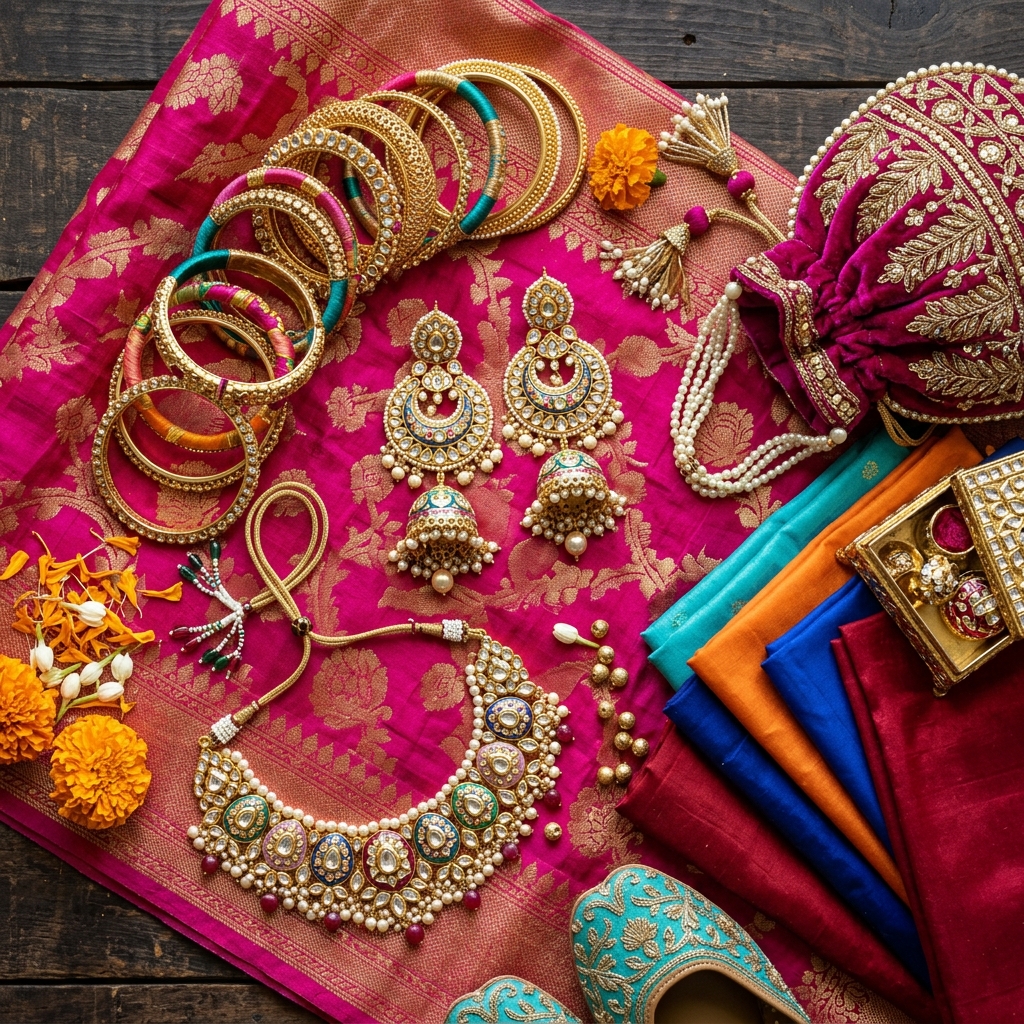
Known for gold and silver brocade, fine silk, and ornate zari work. Banarasi silk has a formal drape and a rich surface that photographs beautifully.
Usually worn forWedding ceremonies, receptions, engagement functions, festive pujas, and heirloom family occasions.
Common garmentsSarees, bridal lehengas, dupattas, brocade blouses, sherwani accents
Comfort noteBest for cooler evenings, indoor events, and moments where structure matters more than breathability.
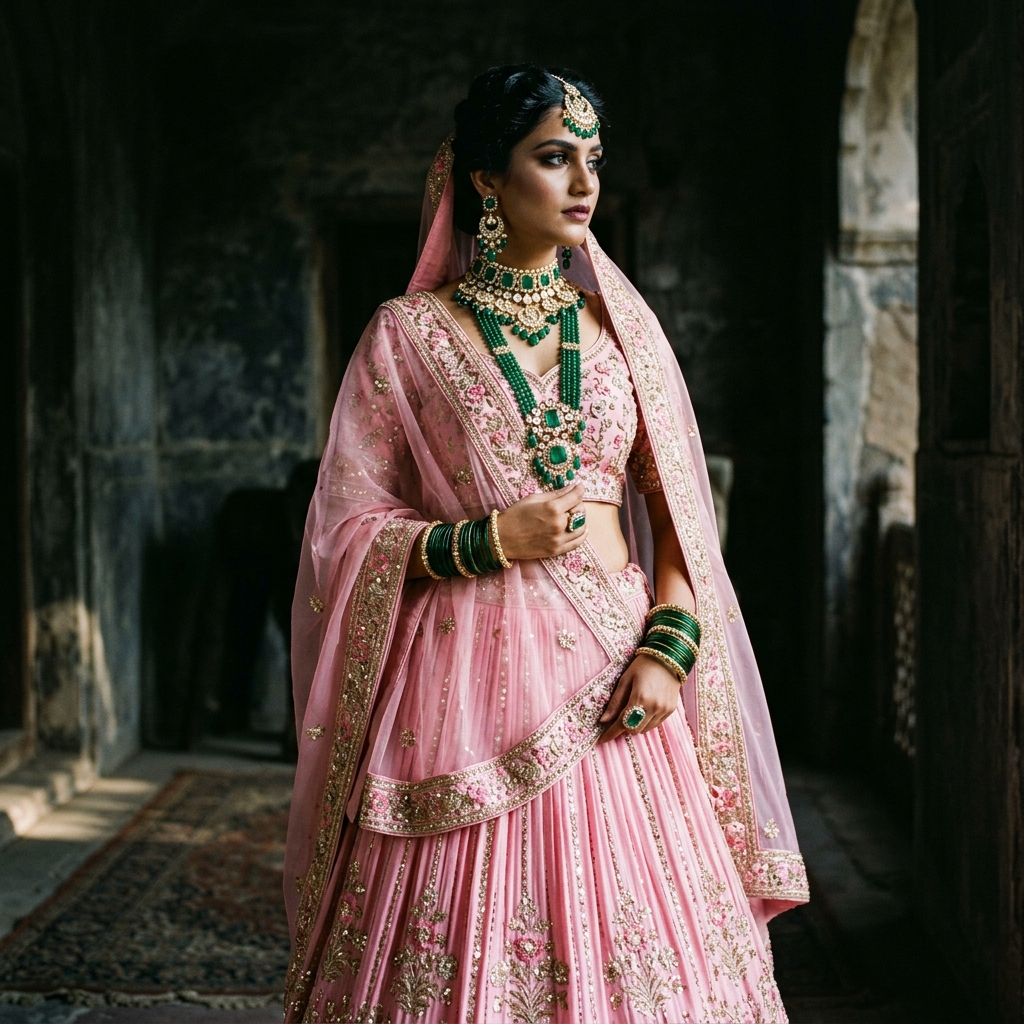
Styling cuePair with kundan, polki, pearls, antique gold, or temple-inspired pieces. If the weave is heavy, keep the necklace cleaner and let the fabric lead.
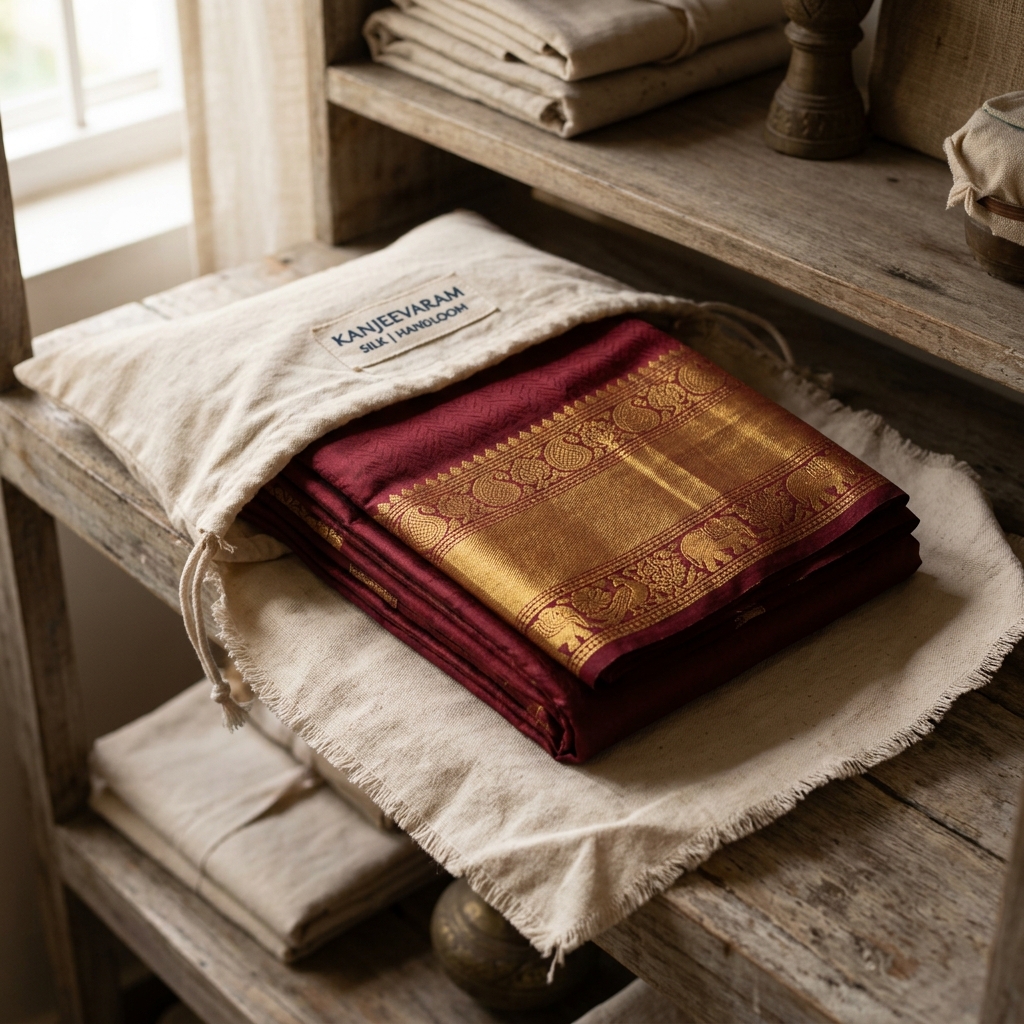
Kanchipuram, Tamil NaduKanjeevaram
Distinguished by wide contrast borders, temple motifs, and thick lustrous silk. It carries ceremony, heritage, and strong visual architecture.
Usually worn forSouth Indian weddings, bridal ceremonies, temple visits, classical functions, and major festivals.
Common garmentsSarees, bridal silk drapes, contrast blouses, ceremonial dupattas
Comfort noteDurable and substantial. It feels grand rather than light, so it works best for formal events with less constant movement.
Styling cueTemple jewelry, gold bangles, jasmine hair styling, and a defined bindi make the fabric feel complete without over-modernizing it.
Madhya PradeshChanderi
A lightweight handloom fabric known for sheer texture, a soft shine, and delicate woven motifs. It feels refined without looking heavy.
Usually worn forDay weddings, office festive days, family lunches, Raksha Bandhan, Diwali visits, and summer celebrations.
Common garmentsSarees, salwar suits, kurtas, dupattas, light festive sets
Comfort noteAiry and elegant, especially in warmer weather. It needs careful handling because the transparent texture can snag.
Styling cueUse pearls, small jhumkas, slim bangles, or matte gold pieces. Avoid oversized jewelry that overpowers the fabric's lightness.
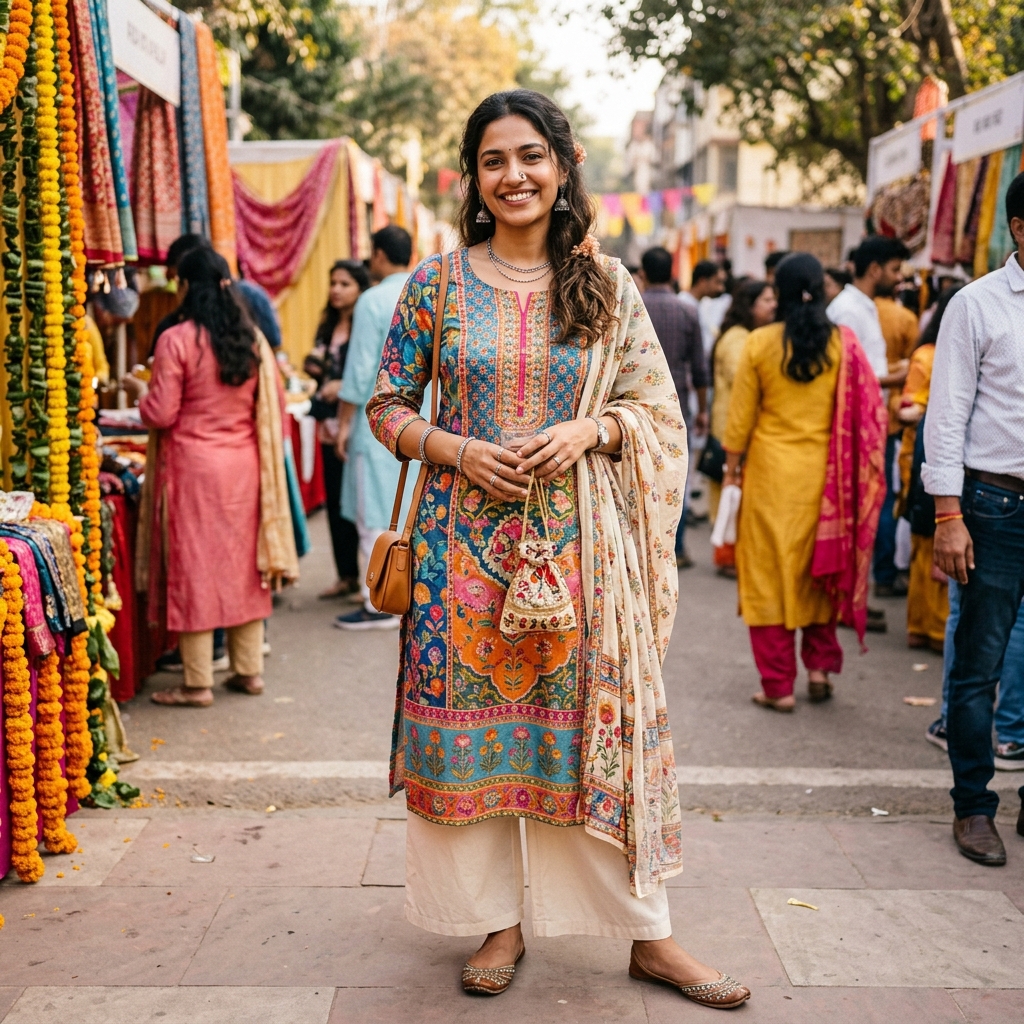
Lucknow, Uttar PradeshChikankari
A delicate hand embroidery technique usually worked on muslin, cotton, georgette, chiffon, organza, or net. The beauty is in softness and shadow.
Usually worn forEid, summer festive gatherings, daytime mehendi, office ethnic days, brunches, and understated family functions.
Common garmentsKurtas, anarkalis, palazzos, sarees, dupattas, co-ord sets
Comfort noteVery wearable when done on cotton or muslin; more dressy and delicate on georgette or organza.
Styling cueOxidized silver, pearls, pastel bangles, and juttis work well. Keep makeup fresh and avoid very heavy chokers unless the outfit is evening-focused.
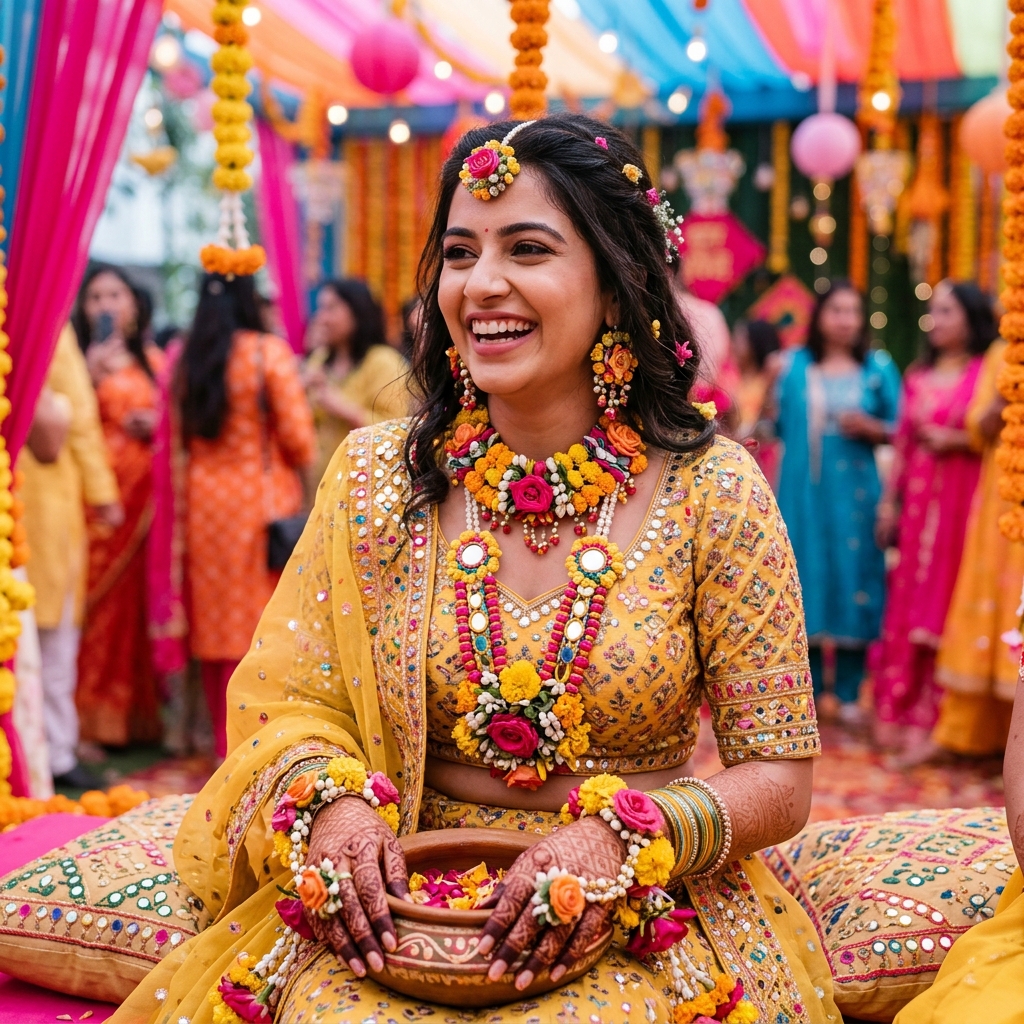
Gujarat & RajasthanBandhani
A tie-dye textile made by binding tiny points of fabric before dyeing. It is instantly festive, rhythmic, and full of movement.
Usually worn forNavratri, mehendi, haldi, festive family events, daytime weddings, and regional celebrations.
Common garmentsSarees, lehengas, dupattas, kurtas, odhnis, ghagra sets
Comfort noteUsually light to medium weight depending on the base fabric. It is excellent for events with color, dance, and daylight.
Styling cueMirror-work, enamel, tassels, silver jewelry, and colorful bangles suit Bandhani. Repeat one color from the dots or border for a polished look.
Patan, GujaratPatan Patola
A double ikat textile prized for sharp geometry, brilliant color, and labor-intensive weaving. It is bold, collectible, and highly traditional.
Usually worn forWeddings, important rituals, festive ceremonies, cultural events, and heirloom saree occasions.
Common garmentsSarees, dupattas, blouses, statement festive separates
Comfort noteStructured and statement-making. It is not casual fabric; it works best when the whole outfit is planned around it.
Styling cueUse controlled jewelry: gold kadas, sleek earrings, or one strong necklace. Let the geometric pattern remain the visual hero.
Andhra Pradesh & TelanganaKalamkari
A hand-painted or block-printed textile known for narrative motifs, florals, mythological scenes, and earthy natural-dye palettes.
Usually worn forArt events, casual ethnic days, college or office wear, handloom exhibitions, festive lunches, and relaxed family gatherings.
Common garmentsSarees, kurtas, long skirts, dupattas, blouses, jackets
Comfort noteMost often comfortable and breathable when done on cotton. It reads thoughtful and artistic rather than flashy.
Styling cueOxidized silver, terracotta, wooden bangles, and minimal leather or jute accessories complement the organic feel.
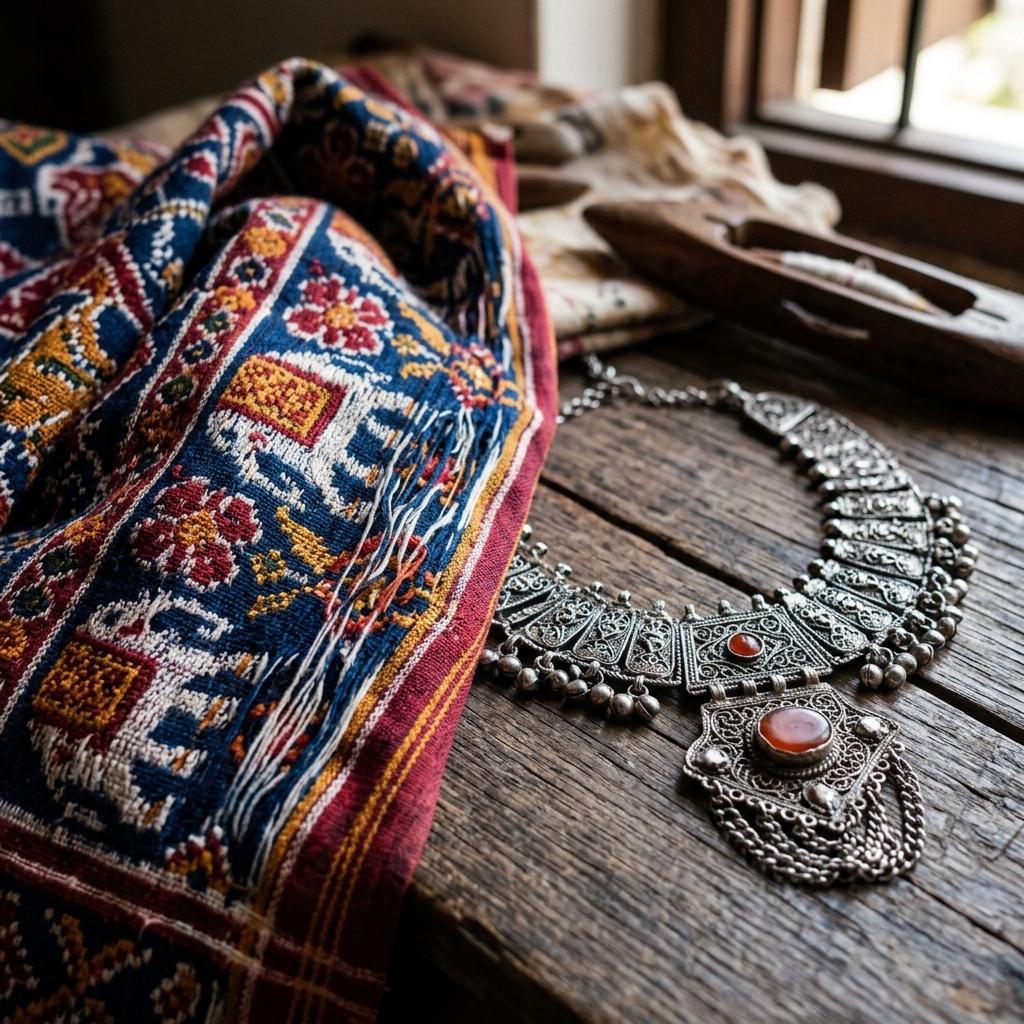
Odisha, Telangana & Andhra PradeshIkat
A resist-dyeing technique where yarns are dyed before weaving, creating slightly feathered patterns with graphic energy.
Usually worn forWorkwear ethnic looks, travel-friendly sarees, festive day events, casual celebrations, and handloom-focused occasions.
Common garmentsSarees, kurtas, dupattas, dresses, jackets, men's kurtas
Comfort noteOften breathable and practical, especially in cotton. Silk ikat versions feel more formal and festive.
Styling cueChoose silver, matte gold, fabric jewelry, or clean geometric pieces. Avoid jewelry that fights the pattern.