
By AlankarAI Editorial Team · 15 min read · Reviewed for practical styling guidance
Mastering the Art of Color Coordination: A Comprehensive Guide to Ethnic Wear
Color coordination is more than just matching shades. It's about understanding the science of the color wheel to create balanced, stunning looks. Learn how to master monochromatic, complementary, and analogous styling for your next big event.
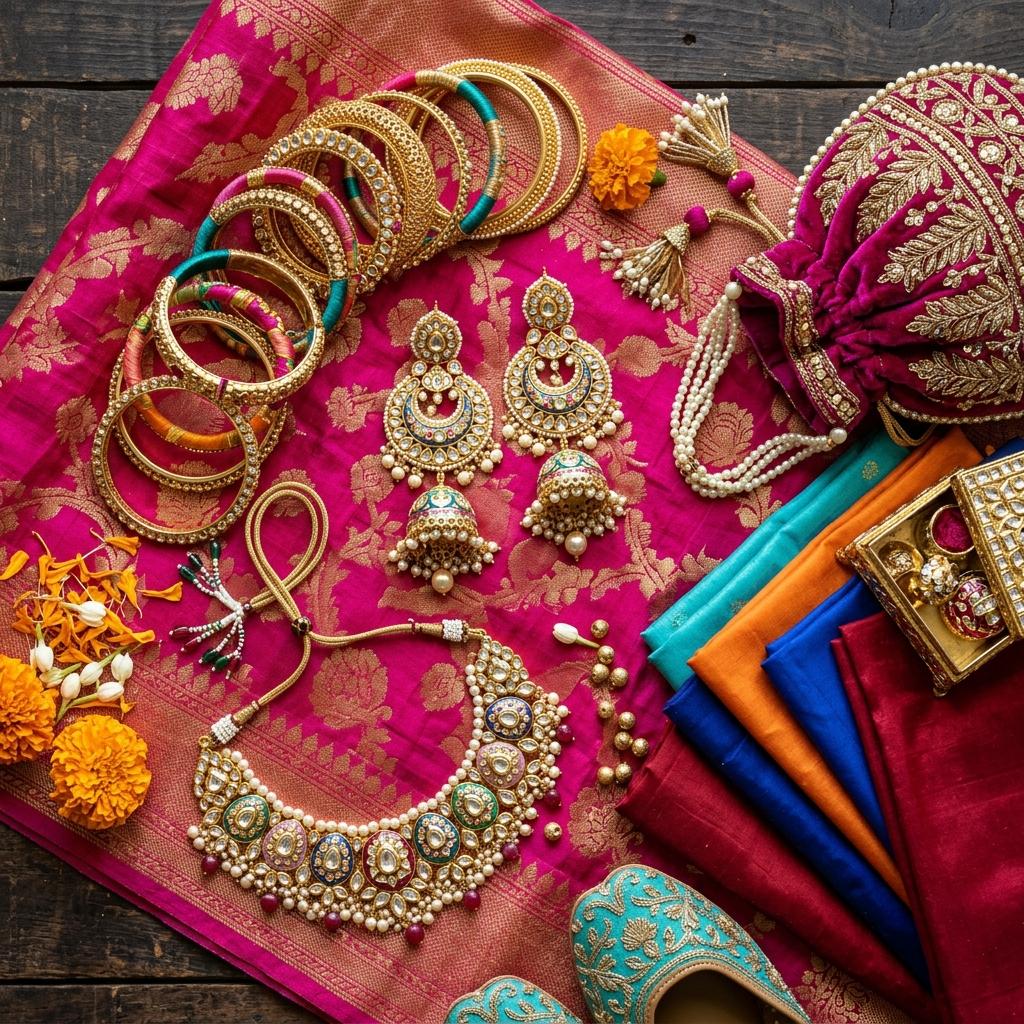
When it comes to Indian ethnic wear, color is everything. From the deep vermillion of a bridal lehenga to the soft pastels of a summer sangeet outfit, the colors we choose tell a story, evoke emotions, and signify cultural nuances. In the vibrant tapestry of Indian fashion, color isn't just an aesthetic choice; it's a profound language. It reflects regional identities, celebrates festivals, and marks life's most cherished moments. But how do you ensure that your jewelry, bangles, and accessories aren't just 'matching', but actually enhancing your look, elevating it from ordinary to extraordinary?
Beyond mere intuition, there's a science to creating truly harmonious and impactful ethnic ensembles. As professional stylists, we delve into the intricate relationship between hues, tones, and textures, leveraging established principles to craft breathtaking outfits. In this in-depth guide, we dive deep into the mathematics of color coordination, exploring the foundational theories and translating them into actionable, professional styling secrets. Prepare to unlock the art of the suitable match, transforming your approach to ethnic wear and ensuring every ensemble you create tells a stunning, cohesive story. With insights powered by AlankarAI, you'll discover how to effortlessly achieve looks that are both culturally rich and fashion-forward.
1. Understanding the Color Wheel: The Stylist's Secret Weapon
The secret weapon of every top stylist, artist, and designer is the color wheel. This circular diagram illustrates the relationships between colors, providing a systematic approach to combining them effectively. By understanding how colors relate to each other – their inherent warmth or coolness, their intensity, and their contrast – you can move beyond simple, safe matching and start creating dynamic, high-fashion looks that truly stand out. In Indian ethnic wear, where intricate patterns and rich hues are paramount, a solid grasp of the color wheel is indispensable. It allows for intentional choices that honour tradition while embracing contemporary aesthetics.
1.1. Complementary Colors: The High-Impact Statement
Complementary colors are those situated directly opposite each other on the color wheel (e.g., Red and Green, Blue and Orange, Yellow and Purple). This pairing creates the highest contrast, resulting in a vibrant, high-impact, and often regal look. In Indian fashion, this dynamic tension is frequently leveraged for festive occasions and bridal wear.
- Cultural Context: Think of the classic combination of a deep maroon or rani pink bridal lehenga paired with rich emerald green jewelry. This isn't just a random choice; it's a time-honored pairing rooted in the visual drama it creates. The warmth of red or pink is dramatically amplified by the coolness of green, making both colors appear more intense and saturated.
- Styling Insights:
- Intensity: Because complementary colors are so bold, they naturally command attention. Use them when you want to make a strong statement – perfect for weddings, grand festivals like Diwali, or reception parties.
- Balance: To avoid an overwhelming effect, one color usually dominates (e.g., 60-70% of the outfit), with its complement used as a powerful accent (e.g., 10-20% in jewelry, embroidery, or a contrasting dupatta).
- Examples: A royal blue silk saree with a vibrant orange border and kundan jewelry featuring orange enamel accents; a mustard yellow anarkali with deep purple amethyst earrings; a fuchsia pink lehenga with bottle green blouse and emerald choker.
1.2. Analogous Colors: The Harmonious Blend
Analogous colors are those that sit next to each other on the color wheel (e.g., Blue, Teal, and Green; Red, Orange, and Yellow; Pink, Lavender, and Periwinkle). Using analogous colors creates a harmonious, soothing, and sophisticated look. This coordination evokes a sense of unity and flow, making it perfect for daytime events, intimate gatherings, or when you desire an understated elegance.
- Cultural Context: Many traditional Indian textiles, especially weaves, subtly employ analogous palettes, creating depth through closely related shades. Think of the intricate gradients often seen in tie-dye techniques like Bandhani or Leheriya, or the seamless transitions in certain Kanjeevaram sarees.
- Styling Insights:
- Subtlety: Analogous schemes are less about bold contrast and more about nuanced elegance. They are ideal for creating a refined, cohesive aesthetic.
- Depth through Variation: To prevent the look from appearing flat, vary the shades, tints, and tones within your chosen analogous family. Incorporate different textures (e.g., a silk kurta in one shade, a chiffon dupatta in a lighter analogous shade).
- Examples: A peach georgette saree with a soft coral blouse and rose gold jewelry; a moss green kurta with an olive green dupatta and gold earrings with subtle green stones; a lavender anarkali with a periwinkle blue border and pearl jewelry.
1.3. Triadic Colors: The Balanced Vibrancy
Triadic color schemes involve three colors that are equally spaced on the color wheel (e.g., Red, Yellow, and Blue; Green, Orange, and Purple). This combination offers a vibrant yet balanced aesthetic, providing a rich and dynamic look that is less intense than complementary pairings but more energetic than analogous ones.
- Cultural Context: While less common for a full outfit than complementary or analogous, triadic elements often appear in intricate embroidery, patchwork, or multi-colored prints in Indian textiles, adding joyful bursts of color.
- Styling Insights:
- Dominant Color: Typically, one color is chosen as the dominant hue (60-70%), with the other two used as accents (15-20% each).
- Playful Yet Grounded: Triadic schemes are excellent for festive, celebratory occasions where you want to convey joy and exuberance without being overwhelming.
- Examples: A deep blue brocade lehenga with a mustard yellow blouse and a red embroidered dupatta; a coral saree with a teal border and a touch of gold jewelry with green meenakari work.
2. The Power of Monochromatic Styling: Sophistication in Simplicity
Monochromatic styling involves using different shades, tones, and tints of a single color. Far from being boring, this is one of the most sophisticated, chic, and powerful ways to style ethnic wear. It creates a seamless, elongated silhouette and exudes an aura of understated luxury.
- Cultural Connection: Historically, single-color ensembles, often in rich silks or brocades, were favoured by royalty and nobility to signify purity, status, and refined taste. Think of the serene elegance of a pristine white ensemble for a spiritual ceremony, or the majestic depth of a single-hued royal blue or emerald green attire.
- The Trick to Success: The key to a successful monochromatic look lies in introducing variety through:
- Texture Variation: This is paramount. Pair a glossy silk saree in royal blue with a matte velvet blouse in a slightly deeper blue. Add bangles in an opaque blue and sapphire jewelry that sparkles. The interplay of light on different textures (smooth silk, plush velvet, reflective gems, dull gold) prevents the look from falling flat and creates incredible depth. Consider pairing sheer fabrics like organza or chiffon with opaque silks or raw silks within the same color family.
- Shade, Tint, and Tone: Don't stick to one exact shade. A deep maroon lehenga can be paired with a blush pink dupatta (a tint of red) and ruby jewelry (a jewel-toned red). This subtle gradation adds richness.
- Embellishment: Intricate embroidery (zari, resham, sequin work) in the same color family as the base fabric adds visual interest without disrupting the monochromatic harmony. For instance, gold zari on a gold silk saree, or silver sequins on a grey chiffon.
- Styling Tips: Monochromatic looks are excellent when your outfit itself features complex embroidery, heavy prints, or unique drapes. By keeping the color palette singular, you allow the craftsmanship and silhouette of the garment to be the star, while accessories subtly enhance rather than compete. This approach is also perfect for formal events, evening galas, or when you desire a sleek, modern ethnic aesthetic.
- AlankarAI Tip: When using AlankarAI, our engine often suggests monochromatic accessories if your outfit has complex embroidery or a very specific print. This ensures the jewelry doesn't compete with the fabric's artistry but rather complements and elevates it, maintaining a balanced and sophisticated visual flow.
3. Mastering the 60-30-10 Rule: The Golden Ratio of Styling
Originating in interior design, the 60-30-10 rule is a golden standard for achieving visual balance and harmony in any aesthetic composition, including fashion. Applying this rule to ethnic wear allows you to strategically distribute colors and elements, ensuring a cohesive and pleasing overall look.
- 60% Primary Color: This is your dominant color and forms the foundation of your outfit. It's usually your main garment – the saree, lehenga, anarkali, or sherwani. This color sets the mood and tone for the entire ensemble. It's the canvas upon which you build your look.
- Example: A vibrant emerald green silk lehenga.
- 30% Secondary Color: This color provides contrast or complements the primary color, adding depth and interest without overpowering it. In ethnic wear, this could be your contrasting blouse, a prominent border on your saree, the dupatta, or a significant portion of the embroidery.
- Example: A deep maroon velvet blouse or a dupatta with maroon accents.
- 10% Accent Color: This is where your jewelry, footwear, clutch, hair accessories, or even a small detail like a pocket square or a turban pin comes into play. This small percentage is crucial for adding that 'pop' or finishing touch, tying the entire look together. By keeping your accessories to about 10% of the visual space, you ensure they stand out as deliberate focal points without cluttering the silhouette or overwhelming the primary and secondary colors.
- Example: Gold Kundan jewelry with ruby accents, a pair of matching maroon juttis, and a gold clutch.
Practical Application: Imagine a stunning bridal ensemble:
- 60%: A rich fuchsia pink lehenga (Primary).
- 30%: A deep royal blue velvet blouse with intricate gold zari work, and a matching blue border on the lehenga (Secondary).
- 10%: A heavy gold choker with sapphire and ruby stones, gold bangles, a blue embellished clutch, and gold heels (Accents).
This rule provides a flexible framework. You can play with the percentages slightly, but maintaining this general proportion ensures a balanced, professional, and aesthetically pleasing outcome.
4. How Fabric Affects Color: The Unsung Hero of Hue
Did you know that the same shade of red looks dramatically different on Silk than it does on Georgette? The inherent properties of a fabric – its weave, texture, sheen, and how it absorbs or reflects light – profoundly impact how a color is perceived. Understanding this interaction is crucial for selecting the right accessories.
- Silk: Known for its natural sheen and luxurious drape, silk reflects light beautifully, making colors appear brighter, more saturated, and vibrant.
- Styling Insight: With silk, colors tend to 'pop'. To ground this vibrancy, opt for antique gold, Kundan, or Polki jewelry which has an inherent richness and slightly muted brilliance. For a more contemporary look, white gold or platinum with diamonds can offer a stunning contrast.
- Velvet: A plush fabric with a dense pile, velvet absorbs light, making colors appear deeper, richer, and more intense. It imparts a regal, opulent feel.
- Styling Insight: Since velvet deepens colors, use reflective stones like diamonds, Polki, or highly polished precious stones (rubies, emeralds, sapphires) to add much-needed brightness and sparkle. Gold or silver metals with high polish work best.
- Georgette/Chiffon: These sheer, lightweight fabrics allow light to pass through, giving colors a softer, more ethereal, and often muted appearance. They create a delicate, flowing silhouette.
- Styling Insight: Pair with delicate jewelry. Pearls, tiny diamonds, rose gold, or silver pieces with subtle gemstones complement the fabric's lightness. Avoid heavy, chunky jewelry that might overwhelm the fabric.
- Brocade/Jacquard: These fabrics feature intricate woven patterns, often with metallic threads. They have a rich, textured surface that can either absorb or reflect light depending on the weave.
- Styling Insight: The inherent richness of brocade often calls for equally grand jewelry. Antique gold, Kundan, Polki, and traditional temple jewelry work exceptionally well. The metallic threads in the fabric can guide your metal choice.
- Cotton/Linen: Natural fibers with a matte finish, cotton and linen absorb light, making colors appear subdued, earthy, and less reflective. They are perfect for comfortable, breathable ethnic wear.
- Styling Insight: Embrace the natural, understated charm. Oxidized silver jewelry, terracotta, wooden beads, or simple gold pieces with semi-precious stones (like turquoise or coral) complement these fabrics beautifully.
- Raw Silk/Tussar: These fabrics have a rustic texture and a subtle, natural sheen. Colors appear rich yet earthy.
- Styling Insight: Rustic gold, antique finish jewelry, or pieces with natural elements and earthy gemstones (like onyx, jade, or garnet) pair wonderfully.
5. The Art of Metal and Gemstone Pairing: Elevating Your Ensemble
Beyond color and fabric, the choice of metal and gemstone is paramount in defining the character of your ethnic look. Each metal and stone carries its own cultural significance and visual impact.
5.1. Choosing the Right Metal Tone
- Yellow Gold: The quintessential metal in Indian jewelry, symbolizing prosperity, warmth, and tradition.
- Pairing: Best with warm-toned outfits (reds, oranges, yellows, deep greens, maroons). It enhances the richness of silks and velvets.
- Cultural Significance: Often chosen for bridal wear and grand festive occasions.
- White Gold/Platinum/Silver: Offer a modern, sophisticated, and cooler aesthetic.
- Pairing: Ideal for cool-toned outfits (blues, purples, greens, pastels) and contemporary designs. They provide a crisp contrast to vibrant colors and a subtle sheen to muted ones.
- Styling: Excellent for evening wear, cocktails, and a minimalist yet elegant look.
- Rose Gold: A romantic and trendy choice, offering a soft, warm glow.
- Pairing: Works beautifully with pastels (pinks, peaches, lavenders), creams, and soft grays. It adds a delicate touch to modern ethnic wear.
- Styling: Perfect for daytime events, sangeets, or when you desire a softer, more feminine appeal.
- Antique Gold/Oxidized Silver: These metals have a darkened, vintage finish, giving them a rustic, traditional, and often bohemian appeal.
- Pairing: Antique gold pairs well with earthy tones, traditional weaves, and heavy embroidery. Oxidized silver is fantastic with cottons, linens, block prints, and tribal aesthetics.
- Styling: Great for mehendi functions, casual ethnic wear, or creating a statement with a bohemian twist.
5.2. Harmonizing with Gemstones
- Rubies (Red): Symbolize passion and royalty. Pair with deep greens (complementary), gold, or other warm tones.
- Emeralds (Green): Represent growth and prosperity. Stunning with maroons, reds (complementary), or deep blues.
- Sapphires (Blue): Signify wisdom and nobility. Complementary with oranges and yellows, or beautiful with other cool tones.
- Pearls: Classic elegance and purity. Versatile, pairing well with almost any color, especially pastels, creams, and traditional silks.
- Kundan & Polki: Uncut diamonds or glass stones set in gold, often with Meenakari (enamel work). These are inherently traditional and grand.
- Pairing: Best with rich silks, velvets, and heavily embroidered outfits. The gold setting often guides color choices.
- Meenakari: Enamel work in vibrant colors.
- Pairing: Can introduce accent colors or reinforce existing ones. Choose Meenakari that either matches a secondary color in your outfit or introduces a complementary pop.
6. AlankarAI's Professional Styling Matrix: Your Personal Color Guide
To simplify these complex considerations, we've developed a professional styling matrix. This table provides actionable insights, helping you effortlessly pair your outfit's dominant color with the right harmony, fabric, metal, and accessories.
| Outfit Dominant Color | Color Harmony | Ideal Fabric Type | Suggested Metal Tone | Key Gemstones/Accessories | Occasion Vibe |
|---|---|---|---|---|---|
| Deep Maroon/Wine | Complementary | Silk, Velvet, Brocade | Gold, Antique Gold | Emerald, Polki, Kundan, Pearls, Ruby | Weddings, Festive, Grand |
| Royal Blue/Navy | Monochromatic, Complementary | Silk, Georgette, Brocade | Silver, White Gold, Platinum | Sapphire, Diamonds, Pearls, Orange/Yellow accents | Evening Galas, Sophisticated |
| Pastel Pink/Peach | Analogous | Chiffon, Organza, Cotton, Linen | Rose Gold, Silver | Rose Quartz, Pearls, Delicate Diamonds, White Gold | Daytime, Sangeet, Casual Chic |
| Emerald Green | Complementary | Silk, Velvet, Raw Silk | Gold, Antique Gold | Ruby, Kundan, Polki, Diamonds, Pearls | Festive, Weddings, Bold |
| Mustard Yellow | Triadic, Analogous | Cotton, Raw Silk, Georgette | Oxidized Silver, Gold | Amethyst, Turquoise, Terracotta, Garnet | Mehendi, Haldi, Bohemian, Daytime |
| Ivory/Cream | Monochromatic, Any | Silk, Organza, Net, Cotton | Gold, Rose Gold, Silver | Pearls, Diamonds, Kundan, Pastels, Meenakari | Elegant, Formal, Sober, Bridal |
| Black | Complementary, Any | Silk, Velvet, Georgette | Silver, White Gold, Gold | Diamonds, Rubies, Emeralds, Sapphires, Pearls | Evening, Contemporary, Bold |
| Lavender/Periwinkle | Analogous | Chiffon, Georgette, Organza | Silver, Rose Gold | Amethyst, Pearls, Delicate Diamonds | Daytime, Spring Events, Romantic |
| Coral/Orange | Triadic, Complementary | Georgette, Cotton, Silk | Gold, Oxidized Silver | Turquoise, Emerald, Pearl, Agate | Mehendi, Summer, Vibrant, Casual |
Conclusion: AlankarAI – Your Personal Color Coordination Expert
Mastering color coordination in Indian ethnic wear is an art form, a nuanced blend of cultural understanding, aesthetic principles, and personal expression. It takes practice, an eye for detail, and a deep appreciation for how each element – from the primary outfit color to the delicate sparkle of a gemstone – contributes to the overall narrative of your look. We've explored the foundational theories of the color wheel, understood the sophistication of monochromatic styling, learned to balance with the 60-30-10 rule, and discovered the profound impact of fabric and metal choices.
But what if you could have a seasoned stylist, armed with all this knowledge, by your side for every outfit decision? This is where AlankarAI transforms the process from complex to effortless. Our styling tool goes beyond basic recommendations. It reviews your outfit's specific HEX codes, intricate embroidery patterns, and unique fabric textures. It then curates a selection of accessories – from jewelry to footwear – that follow these styling patterns, automatically applying the principles of complementary, analogous, and monochromatic harmony.
AlankarAI doesn't just match; it understands. It comprehends the subtle interplay of light on silk versus velvet, the cultural significance of gold versus silver, and the visual impact of a ruby against an emerald. It ensures that your chosen accessories perfectly align with the color theory, fabric characteristics, and the overall aesthetic you wish to achieve, always keeping balance and sophistication at the forefront.
Ready to find your suitable match and unleash the full potential of your ethnic wardrobe? Upload your outfit today and let our AI stylist do the intricate math and artistic curation for you, ensuring every ensemble you step out in is a masterpiece of coordinated elegance!
Want a personalized analysis?
Upload your own outfit photo and let AlankarAI find the perfect matching jewelry for you.
Start Styling NowIndian ethnic-fashion writers and stylists. Every guide is reviewed for accuracy and cultural context before publishing. Read our editorial standards →
Get help choosing the right ethnic accessories.
Subscribe for weekly guides, ask a styling question, or tell us whether this page helped. Your feedback shapes the next AlankarAI guides.
Was this helpful?
A quick tap helps us improve future guides.
Editorial note: AlankarAI guides are written to provide styling education. Some store links on the site may be monetized, but article recommendations are intended to remain useful whether you shop online, locally, or from your own wardrobe.