
By AlankarAI Editorial Team · 12 min read · Reviewed for practical styling guidance
The Science of Contrast: Why Emeralds Pop on Pastels
In the world of fashion, contrast is king. Learn the mathematical secrets behind pairing deep, vibrant jewelry with soft pastel outfits to create a look that is both balanced and breathtaking.
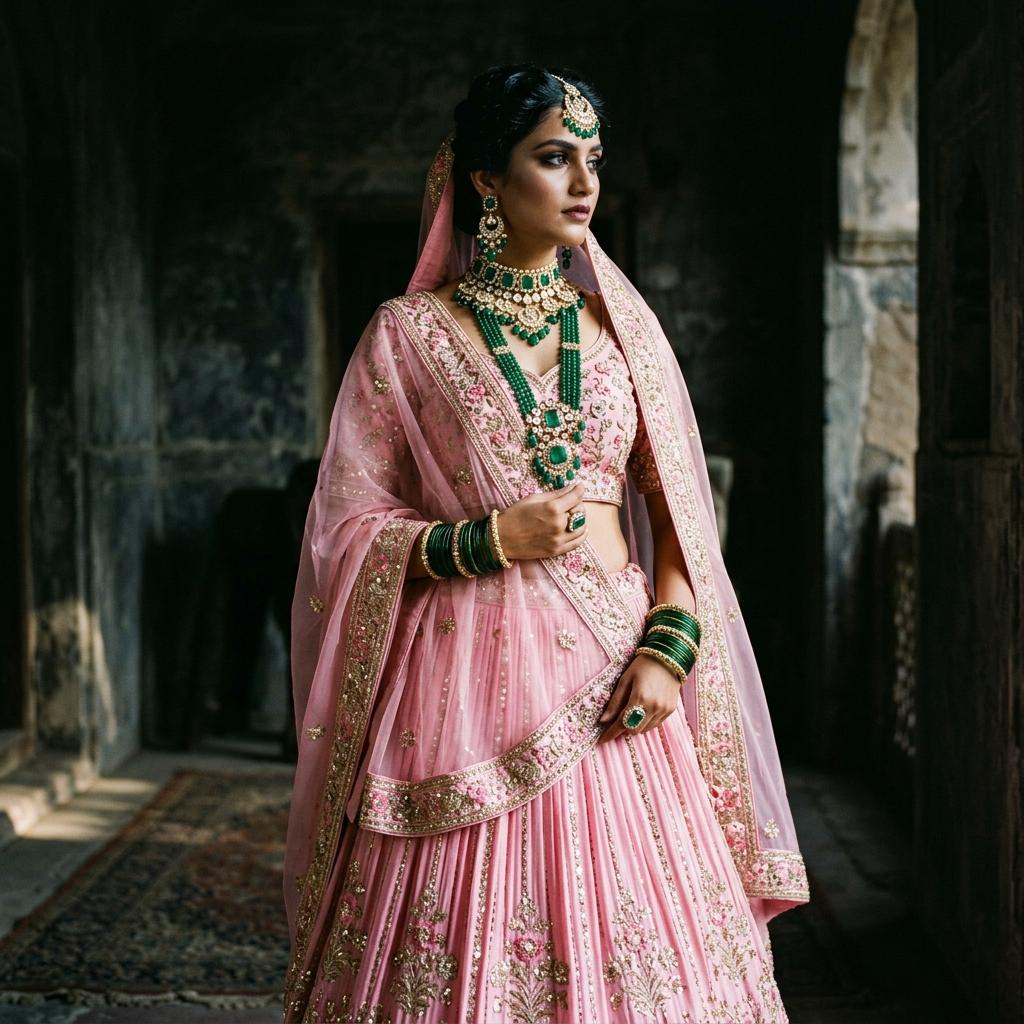
Have you ever wondered why a simple pastel pink lehenga looks like a million dollars when paired with deep green emeralds? Or why a light lavender saree suddenly looks 'regal' when styled with deep purple amethysts? The secret isn't just about matching; it's about a sophisticated understanding of how colors interact and enhance each other.
The answer lies in the Science of Contrast. As professional stylists at AlankarAI, we understand that true elegance often emerges from deliberate juxtaposition. While matching offers safety, contrast delivers impact, sophistication, and a memorable aesthetic. In this in-depth guide, we will break down the intricate color math and cultural nuances that make these combinations work, providing you with expert insights to apply them to your own Indian ethnic wardrobe. Prepare to transform your 'simple' pastel outfits into breathtaking masterpieces that command attention.
1. The Complementary Contrast: A Symphony of Hues
At the heart of striking visual appeal lies the principle of complementary colors – hues that sit directly opposite each other on the traditional color wheel. When placed together, these pairs don't clash; instead, they create a vibrant tension that makes each color appear more intense and luminous. This dynamic interplay is a cornerstone of impactful styling, particularly in the rich tapestry of Indian ethnic fashion.
The Color Wheel Explained
To truly appreciate complementary contrast, a quick dive into basic color theory is essential. The color wheel organizes primary (red, blue, yellow), secondary (green, orange, purple), and tertiary colors. Complementary pairs are those that offer the highest degree of contrast, creating a visual 'pop' that is both balanced and exciting. Think of it as a natural equilibrium – one color provides the perfect counterpoint to the other, making both sing louder.
Cultural Resonance in Indian Fashion
The use of complementary colors is deeply embedded in Indian textile traditions and jewelry design. From the emerald green borders on a fuchsia pink Kanjeevaram silk saree to the ruby red motifs on a bottle green Banarasi lehenga, our ancestors intuitively understood this science. This isn't just about aesthetics; it’s about creating a narrative of richness, celebration, and prosperity through color.
Classic Indian Complementary Pairings:
- Pink & Green (Rani Pink & Emerald): This is perhaps the most iconic and beloved complementary pair in Indian fashion. The softness of various pinks – from delicate blush and rose to vibrant fuchsia and rani majanta – provides a neutral yet warm backdrop that allows the intense, earthy green of emeralds to 'vibrate' visually.
- Styling Insight: For a blush pink lehenga, deep emerald polki or Kundan sets with green meenakari work create an ethereal yet grounded look. A vibrant rani pink saree, on the other hand, can carry off heavier emerald chokers and earrings with ease, exuding regal opulence. The contrast is dynamic, fresh, and high-impact without being overwhelming.
- Lavender & Yellow/Gold (Amethyst & Topaz): A gentle lavender, often seen in delicate georgettes or organzas, finds its perfect partner in the warm, sunny tones of yellow. Deep purple amethysts offer a direct complementary contrast, while the rich luster of antique gold jewelry provides a sophisticated, warm yellow counterpoint.
- Styling Insight: Pair a light lavender anarkali with a multi-strand amethyst necklace or a Kundan set featuring yellow gemstones like topaz or citrine. The warmth of the yellow metal (gold) against the cool lavender adds an unexpected layer of luxury.
- Sky Blue & Orange/Coral (Sapphire & Coral/Carnelian): The serene calm of a sky blue or powder blue outfit is dramatically uplifted by the fiery energy of orange. While orange sapphires are rare, you can achieve this effect with coral beads, carnelian, or even intricate enamel work (meenakari) featuring orange accents.
- Styling Insight: A powder blue pastel saree with a coral necklace and matching earrings creates a playful yet elegant ensemble. For a more subtle approach, a gold necklace with subtle orange enamel details against a pastel blue silk is equally captivating.
2. Saturation Contrast: The Art of the Focal Point
Beyond the specific hue, the intensity or purity of a color – known as its saturation – plays a pivotal role in creating visual drama. Saturation contrast is the deliberate pairing of a low-saturation outfit with high-saturation jewelry, transforming accessories into the undisputed stars of your ensemble.
Understanding Saturation
- Pastels (Low Saturation): These are colors diluted with white, resulting in soft, muted, and often ethereal tones like peach, mint, powder blue, baby pink, and light lemon. They evoke feelings of calm, sophistication, and understated elegance. Their subdued nature makes them ideal canvases.
- Jewels (High Saturation): These are colors in their purest, most vibrant form – deep ruby red, intense sapphire blue, rich emerald green, and fiery yellow gold. They are bold, luxurious, and command attention.
The Secret to the Pop
Pairing a low-saturation outfit with high-saturation jewelry creates an immediate focal point. The delicate, muted background of the pastel allows the deep, intense colors of your jewels to literally 'pop,' drawing the viewer's eye directly to your accessories. This technique ensures your statement pieces are not merely worn but are truly showcased.
Achieving Balance with Saturation
While the goal is contrast, balance is key. The delicate nature of pastels requires thoughtful consideration to prevent the jewelry from overpowering the outfit.
- Fabric and Texture: A plain pastel silk lehenga will offer a smoother, more direct contrast for high-saturation jewels compared to a heavily embroidered pastel piece. If your pastel outfit has intricate work, opt for jewelry with a more refined design but still maintaining high color saturation. The sheen of silk or organza can also subtly enhance the 'pop' of the jewels.
- Metal Tones: The choice of metal can either amplify or soften the saturation contrast.
- Yellow Gold: Its inherent warmth and richness naturally complement and enhance the vibrancy of most colored gemstones, particularly reds, greens, and blues, making them appear even more saturated.
- White Gold/Platinum/Silver: These cooler metals can provide a sharp, crisp contrast, making deep jewel tones stand out starkly against a pastel, especially cool-toned pastels like mint or lavender.
- Rose Gold: Offers a softer, romantic glow that beautifully complements pastel pinks and peaches, while still allowing deeper jewels to shine without being overly stark.
3. The 'Third Color' Rule: Elevating Neutrals with Intent
When your outfit leans towards neutral pastels – think ivory, champagne, ecru, light grey, or even a very subtle blush – you possess the ultimate blank canvas. This is where the 'Third Color' Rule comes into play, a sophisticated styling technique that introduces a single, high-contrast color through your jewelry to add depth, interest, and an unexpected layer of sophistication.
The Power of the Blank Canvas
Neutral pastels are incredibly versatile and timeless. They provide a serene backdrop that highlights the wearer and allows for immense creative freedom with accessories. Instead of the conventional choice of matching ivory with gold (which offers low contrast and can sometimes blend rather than stand out), consider a deliberate injection of vibrant color.
Strategic Introduction of High-Contrast Color
- Warm Neutrals (Ivory, Champagne, Beige, Ecru): These colors have a yellow or golden undertone.
- Jewelry Choices: They beautifully complement deep reds (rubies, garnets), rich emerald green, sapphire blue, or even vibrant turquoise. The warmth of the neutral pastel embraces these intense colors, making them feel luxurious and integrated.
- Stylist Tip: For an ivory anarkali, a statement necklace featuring large uncut emeralds or a Kundan set with deep red meenakari will be striking. Consider a champagne-hued saree with a bold turquoise choker for a fresh, contemporary vibe.
- Cool Neutrals (Light Grey, Silver-Blue, Pale Mint-Green): These colors have blue or green undertones.
- Jewelry Choices: They pair exquisitely with deep purples (amethysts), vibrant fuchsia pink (tourmaline), or even dramatic black onyx. The cool base allows these jewel tones to truly pop, creating a sophisticated and often modern aesthetic.
- Stylist Tip: A light grey lehenga can be transformed with a chunky amethyst and diamond set, or a pale mint-green outfit can gain instant glamour with a deep fuchsia pink tourmaline necklace. For a truly bold statement, black onyx jewelry against a light silver-blue outfit creates a striking, edgy contrast.
Beyond Jewelry: Expanding the 'Third Color'
While jewelry is the primary medium for this rule, consider extending this principle to other elements for a cohesive look:
- Clutches/Potlis: A vibrant clutch in a contrasting color can tie the whole look together.
- Dupattas/Stoles: A sheer dupatta with a contrasting border or subtle embroidery can add that pop of color.
- Footwear: While less common for high contrast, a subtle hint of color in your juttis or heels can work.
This rule is a testament to the fact that sophistication often lies in deliberate, thoughtful choices rather than mere conformity.
4. Mastering Contrast: Your AlankarAI Styling Matrix
To help you effortlessly apply these principles, here's a detailed styling matrix designed for Indian ethnic wear, focusing on pastel outfits and high-contrast jewelry.
| Pastel Outfit Color | Ideal Jewel Tone (High Contrast) | Recommended Metal Tone | Jewelry Style/Type | Occasion/Vibe |
|---|---|---|---|---|
| Blush Pink | Emerald Green, Deep Ruby Red | Yellow Gold, Rose Gold | Polki Choker, Kundan Earrings with Meenakari, Jadau Necklace | Weddings, Engagements, Festive |
| Mint Green | Deep Ruby Red, Sapphire Blue, Coral | Yellow Gold, White Gold | Antique Temple Jewelry with Rubies, Sapphire Studs, Coral Bead Necklace | Mehendi, Sangeet, Day Events |
| Sky Blue | Orange/Peach Sapphire, Deep Red, Gold | Yellow Gold, White Gold | Navratna Necklace, Gold Jhumkas with Red Stones, Stone-studded Cuffs | Receptions, Cocktail, Formal |
| Lavender | Yellow Topaz, Amethyst, Citrine | Yellow Gold, Rose Gold | Amethyst Drops, Kundan Necklace with Yellow Stones, Pearl & Gemstone Set | Brunch, Daytime Weddings, Festive |
| Peach/Coral | Emerald Green, Deep Blue Sapphire | Yellow Gold, Rose Gold | Emerald Drop Earrings, Sapphire Ring, Meenakari Bangles | Festive, Bridal Trousseau, Parties |
| Ivory/Champagne | Emerald Green, Deep Ruby Red, Turquoise, Sapphire Blue | Yellow Gold, Antique Gold | Statement Kundan Necklace, Polki & Emerald Set, Turquoise Choker, Gemstone Haar | Grand Weddings, Gala Events, Bridal |
| Light Grey | Deep Ruby Red, Amethyst, Black Onyx, Hot Pink (Tourmaline) | White Gold, Platinum, Silver | Diamond & Ruby Set, Amethyst Chandbalis, Onyx Statement Necklace | Modern Receptions, Evening Parties |
| Powder Blue | Coral, Deep Orange, Yellow Topaz | Yellow Gold, Rose Gold | Coral & Pearl Necklace, Yellow Gold Temple Jewelry, Gold & Orange Enamel Earrings | Day Weddings, Haldi, Festive |
| Pale Yellow | Sapphire Blue, Amethyst, Ruby Red | Yellow Gold, White Gold | Blue Sapphire Pendant, Amethyst Cluster Ring, Ruby Bangles | Festive, Sangeet, Casual Chic |
5. Beyond Color: Texture and Silhouette Contrast
While color contrast is paramount, a truly expert stylist considers other forms of contrast to create a multi-dimensional look.
Texture Contrast
The feel and surface quality of fabrics and materials can add immense depth.
- Smooth Silks vs. Uncut Stones: A smooth, flowing silk saree can be dramatically elevated by the raw, organic beauty of uncut polki or Kundan jewelry, creating a juxtaposition of refined elegance and rustic charm.
- Delicate Lace vs. Chunky Jewelry: A delicate lace blouse or overlay gains an edgy sophistication when paired with a chunky, antique silver necklace or oxidized jhumkas.
- Velvet vs. Diamonds: The plush, matte richness of velvet makes diamonds and polished gemstones sparkle even more intensely.
Silhouette Contrast
The overall shape and form of your outfit and accessories can also contribute to visual interest.
- Flowing Anarkali vs. Structured Choker: The graceful, voluminous silhouette of an anarkali can be beautifully anchored by a structured, close-fitting choker, drawing attention to the neckline and face.
- Minimalist Saree vs. Elaborate Waist Belt: A simple, elegant saree can be transformed into a statement ensemble with an elaborate, heavily embellished waist belt (kamarbandh), creating a focal point and defining the silhouette.
- Fitted Blouse vs. Oversized Earrings: A sleek, fitted blouse allows oversized, dramatic earrings to take center stage without competing for attention.
By thoughtfully combining these various forms of contrast, you move beyond simply dressing to truly styling, crafting an ensemble that is rich in detail and captivating to the eye.
Conclusion: AlankarAI – Your Partner in Perfect Contrast
The world of Indian ethnic fashion is a vibrant canvas, and understanding the science of contrast empowers you to paint masterpieces. Matching is safe, but contrast is stylish, sophisticated, and memorable. By delving into complementary colors, leveraging saturation differences, and strategically introducing 'third colors' to neutrals, you can transform any pastel outfit into a breathtaking statement.
At AlankarAI, we believe that expert styling should be accessible to everyone. Our styling tool is programmed to do more than just match colors; it's designed to identify Optimal Contrast Ratios tailored specifically for your chosen outfit. If your attire is a delicate pastel, our AI will prioritize 'Pop' recommendations – accessories that are strategically darker, more saturated, or complementary to your fabric, ensuring your jewelry stands out with breathtaking brilliance.
No more guesswork, no more hesitation. AlankarAI analyzes your outfit's color, saturation, and even style, then cross-references it with our vast database of Indian jewelry to suggest the perfect pieces that embody the principles of contrast we've explored today. Whether you're aiming for a subtle shimmer or a dramatic statement, our AI ensures your accessories are not just worn, but celebrated.
The next time you're styling a pastel look, skip the safe choices and go for the pop! Discover the transformative power of contrast and unleash your inner stylist with AlankarAI. Let us help you create looks that are not just beautiful, but well balanced. Explore AlankarAI today and find your perfect contrast pairing!
Want a personalized analysis?
Upload your own outfit photo and let AlankarAI find the perfect matching jewelry for you.
Start Styling NowIndian ethnic-fashion writers and stylists. Every guide is reviewed for accuracy and cultural context before publishing. Read our editorial standards →
Get help choosing the right ethnic accessories.
Subscribe for weekly guides, ask a styling question, or tell us whether this page helped. Your feedback shapes the next AlankarAI guides.
Was this helpful?
A quick tap helps us improve future guides.
Editorial note: AlankarAI guides are written to provide styling education. Some store links on the site may be monetized, but article recommendations are intended to remain useful whether you shop online, locally, or from your own wardrobe.