
By AlankarAI Editorial Team · 8 min read · Reviewed for practical styling guidance
Dupatta Draping Guide: How to Balance Jewelry, Bangles, and Necklines With Every Drape
A dupatta changes the whole shape of an ethnic outfit. Learn how to style jewelry, bangles, earrings, and necklines around common dupatta drapes for lehengas, suits, anarkalis, and wedding looks.
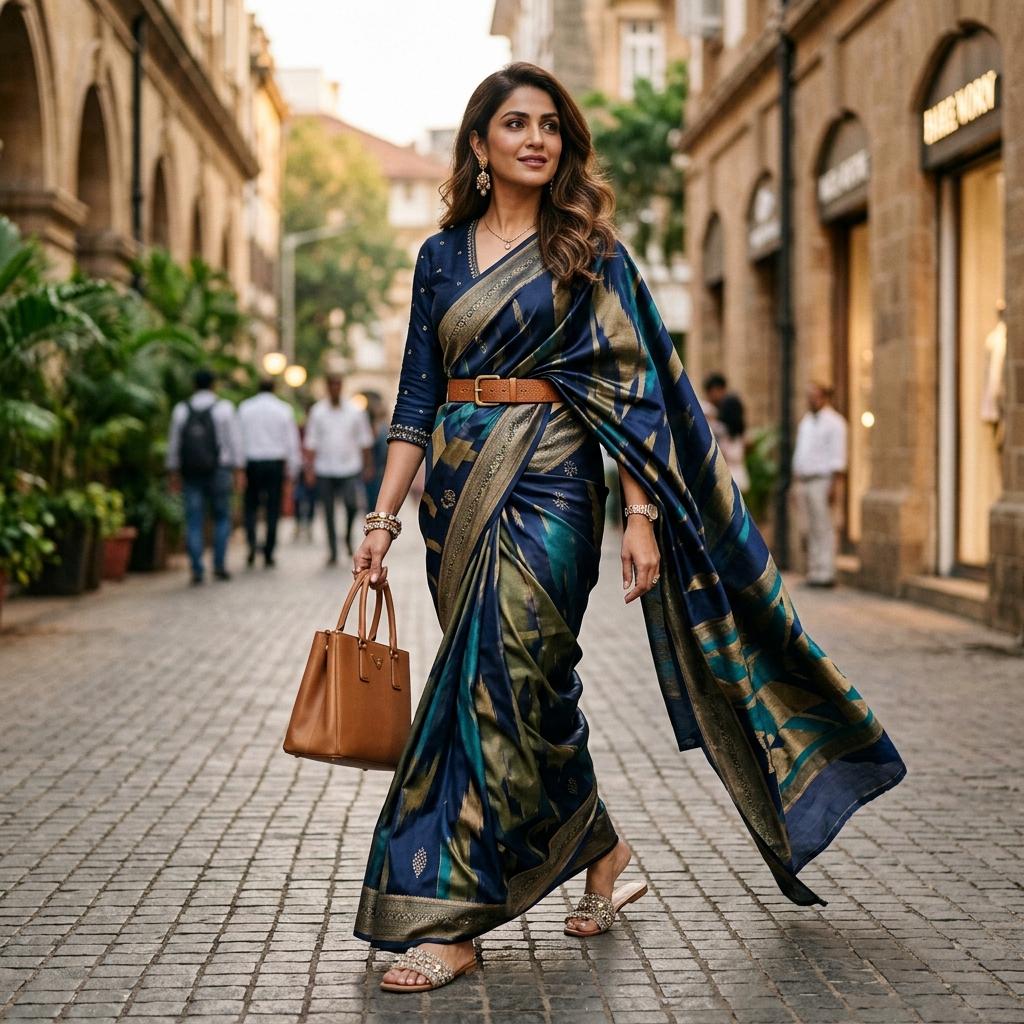
A dupatta is not just a finishing layer. It changes the neckline, the shoulder line, the waist shape, the visibility of embroidery, and even how much jewelry an outfit can carry. The same lehenga or suit can look soft, formal, bridal, festive, or casual depending on how the dupatta is draped.
This is why accessory styling should not be decided before the dupatta. A heavy necklace can disappear under a front drape. Statement earrings can feel too much when the dupatta is pinned close to the face. Bangles may become the hero when the neckline is covered. A clutch can feel unnecessary if the drape already has heavy tassels or borders.
The easiest way to style a dupatta well is to treat it as part of the outfit structure. First decide the drape, then choose jewelry and accessories that support it.
1. One-Shoulder Dupatta Drape
The one-shoulder drape is one of the most popular choices for lehengas, anarkalis, and festive suits. It keeps one side open and lets the outfit embroidery show clearly.
Works best with
- lehengas with detailed blouses
- anarkalis with embroidered bodices
- festive salwar suits
- reception or sangeet looks
- lighter dupattas such as net, organza, chiffon, or georgette
Jewelry styling
Because one shoulder is covered and the other is open, balance matters. A choker or short necklace works well if the blouse neckline is visible. If the dupatta sits high across the chest, skip the necklace and choose stronger earrings instead.
Good pairings:
- chandbalis with a bare or soft neckline
- jhumkas with a short necklace
- a slim maang tikka for wedding events
- bangles on the more visible hand
Avoid very long necklaces if the dupatta border crosses the same area. The two lines can compete and make the look busy.
2. Front Open Dupatta Drape
In this drape, the dupatta falls from both shoulders and stays open in the front. It is graceful, symmetrical, and often used for formal ethnic looks.
Works best with
- silk suits
- straight kurtas
- heavy anarkalis
- formal family functions
- modest festive styling
Jewelry styling
This drape frames the neckline, so the necklace becomes important. Choose jewelry based on the space between the dupatta edges.
If the neckline is open, try:
- a collar necklace
- a kundan choker
- a pearl string
- a short temple necklace
If the dupatta is narrow and close to the neck, keep the necklace minimal and let earrings lead. Medium jhumkas, studs with drops, or small chandbalis usually look polished.
For bangles, this drape gives both wrists equal visibility. A balanced bangle stack on both hands works better than one very heavy side.
3. Pleated Dupatta Over One Shoulder
The pleated one-shoulder drape is clean and photo-friendly. It is especially useful when the outfit has heavy embroidery that you want to keep visible.
Works best with
- bridal lehengas
- engagement lehengas
- embroidered dupattas
- structured blouse designs
- outfits with heavy borders
Jewelry styling
Pleats create a neat vertical line, so jewelry should not fight that line. This is a good drape for statement earrings, maang tikka, and bangles.
Try:
- a choker if the neckline is clear
- a rani haar only if the dupatta sits away from the center
- bold earrings when the necklace is skipped
- a strong bangle stack on the hand opposite the dupatta
If the dupatta border is very heavy, avoid a necklace that has the same visual weight. Let the border act like part of the ornamentation.
4. Dupatta Around the Neck
This is common with kurtis, casual suits, office ethnic wear, and simple festive outfits. The dupatta sits close to the neck and creates a soft scarf-like frame.
Works best with
- cotton suits
- printed kurtas
- daily ethnic wear
- office festive outfits
- light chikankari or block print looks
Jewelry styling
Since the neck is mostly covered, earrings and bangles become more important than necklaces.
Best choices:
- studs for office wear
- small jhumkas for daily ethnic looks
- oxidized earrings for printed kurtas
- thin bangles or a single kada
- a small bindi for a clean finish
Avoid heavy chokers with this drape. They may not be visible and can make the neck area feel crowded.
5. Bridal Double Dupatta Drape
The double dupatta look is common for brides because it gives both structure and softness. One dupatta is usually pinned on the shoulder or across the body, while the second is placed over the head.
Works best with
- bridal lehengas
- pheras
- traditional wedding ceremonies
- heavy kundan or polki jewelry
- red, maroon, ivory, gold, or pastel bridal palettes
Jewelry styling
Double dupatta styling needs planning because the face, neck, and shoulders already have a lot of fabric around them.
Use this order:
- Set the head dupatta placement.
- Decide whether the necklace is visible.
- Choose earrings based on how close the dupatta sits near the ears.
- Add maang tikka, matha patti, or passa only if the head dupatta leaves enough space.
- Balance the wrists with chooda, kaleere, or bangles.
If the head dupatta is very ornate, keep the forehead jewelry cleaner. If the head dupatta is sheer and soft, heavier maang tikka or matha patti can work beautifully.
6. Belted Dupatta Drape
A waist belt can make a lehenga or saree-inspired look feel modern and controlled. It also keeps the dupatta in place for dancing, greeting guests, or moving through a long event.
Works best with
- sangeet outfits
- mehndi lehengas
- Indo-western sets
- cape-style dupattas
- lightweight dupattas
Jewelry styling
The belt already creates a strong focal point at the waist. Keep jewelry intentional rather than heavy everywhere.
Try:
- statement earrings with no necklace
- a short necklace with small earrings
- cuff-style bangles
- a sleek potli or no bag at all
- a small bindi if the outfit is colorful
Avoid pairing a very heavy belt, heavy necklace, heavy earrings, and heavy bangles all together. Choose one or two hero elements.
7. How to Match Bangles With Dupatta Borders
Dupatta borders often repeat colors from the outfit. This makes them useful for bangle styling.
Simple matching rules
- If the dupatta border is gold, add gold bangles or antique kadas.
- If the border is silver, use silver, oxidized, pearl, or white stone bangles.
- If the border has contrast color, repeat that color in a small bangle accent.
- If the dupatta is heavily embroidered, keep bangles cleaner.
- If the dupatta is plain, bangles can carry more detail.
For bridal looks, the bangle stack can be stronger than the necklace if the dupatta covers the chest. For everyday looks, a single kada or two slim bangles may be enough.
8. Dupatta Fabric Matters
The fabric decides how much volume the drape creates.
Net dupatta
Net is sheer and light, so jewelry remains visible. It works well with bridal jewelry, chokers, and layered necklaces.
Organza dupatta
Organza has structure and volume. Pair it with cleaner jewelry so the outfit does not feel stiff or crowded.
Chiffon or georgette dupatta
These fabrics fall softly and work well with movement. They pair nicely with jhumkas, bangles, and delicate necklaces.
Silk dupatta
Silk has weight and tradition. Temple jewelry, antique gold, pearls, and classic round bindis usually suit it well.
Phulkari or heavily embroidered dupatta
Let the dupatta be the hero. Choose simpler earrings, small bangles, and a clean neckline.
9. Quick Dupatta and Accessory Pairing Chart
| Dupatta drape | Best jewelry focus | Best bangle style |
|---|---|---|
| One shoulder | Earrings or short necklace | One stronger wrist stack |
| Front open | Necklace | Balanced bangles on both hands |
| Pleated shoulder | Earrings, maang tikka, choker | Strong opposite-hand stack |
| Around neck | Earrings and bindi | Slim bangles or single kada |
| Double dupatta | Bridal head jewelry and chooda | Full bridal stack |
| Belted drape | Earrings or cuff | Modern kada or cuff |
10. Common Dupatta Styling Mistakes
Wearing every accessory at once
If the dupatta, blouse, necklace, earrings, bangles, and bag are all heavy, the eye has nowhere to rest. Choose a hero.
Ignoring neckline visibility
Do not choose a necklace before checking whether the dupatta hides it. If it is hidden, invest the attention in earrings, bangles, hair, or bindi.
Matching too literally
Everything does not need to be the exact same color. A gold-bordered green dupatta can work with gold jewelry, emerald accents, pearl details, or contrast pink bangles.
Pinning without checking movement
Sit, walk, raise your arms, and turn before finalizing the drape. A dupatta that looks good for one photo may not work for a long event.
Final Styling Formula
Use this simple order whenever you are unsure:
- Choose the dupatta drape based on occasion and comfort.
- Check how much neckline is visible.
- Decide whether necklace or earrings should lead.
- Match bangles to the dupatta border, blouse, or jewelry metal.
- Add bindi, bag, and footwear only after the main balance is right.
A well-draped dupatta should make the outfit feel complete, not complicated. When the drape and accessories support each other, even a simple suit can look thoughtful, and a heavy lehenga can look elegant instead of overwhelming.
Want a personalized analysis?
Upload your own outfit photo and let AlankarAI find the perfect matching jewelry for you.
Start Styling NowIndian ethnic-fashion writers and stylists. Every guide is reviewed for accuracy and cultural context before publishing. Read our editorial standards →
Get help choosing the right ethnic accessories.
Subscribe for weekly guides, ask a styling question, or tell us whether this page helped. Your feedback shapes the next AlankarAI guides.
Was this helpful?
A quick tap helps us improve future guides.
Editorial note: AlankarAI guides are written to provide styling education. Some store links on the site may be monetized, but article recommendations are intended to remain useful whether you shop online, locally, or from your own wardrobe.