
By AlankarAI Editorial Team · 4 min read · Reviewed for practical styling guidance
Dupatta Pin and Brooch Styling Guide: How to Secure Drapes Without Losing Elegance
Dupatta pins and brooches are small accessories with a big styling impact. Learn how to choose placement, size, metal, and sparkle for sarees, lehengas, anarkalis, and festive suits without damaging delicate fabrics.
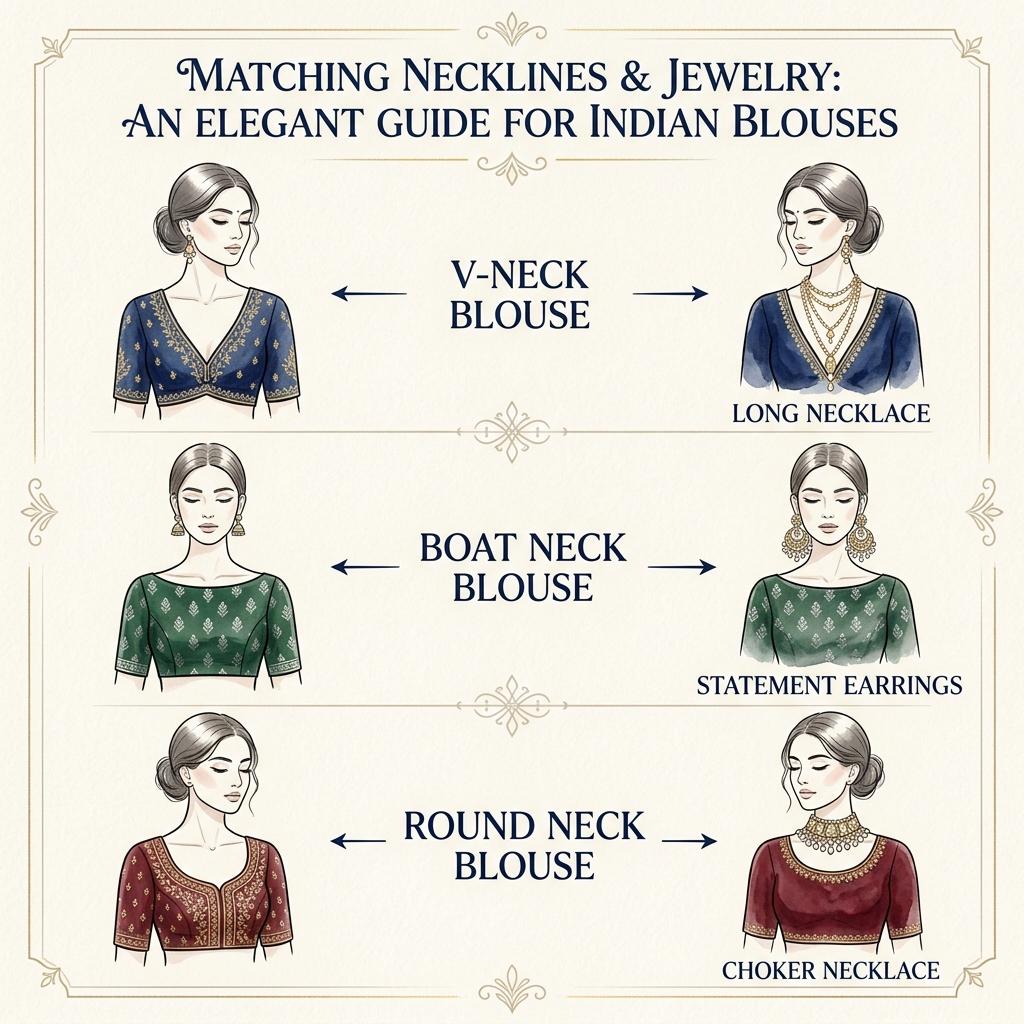
A dupatta pin or brooch is often treated as a last-minute fix, but it can quietly change the whole balance of an ethnic outfit. The right piece holds the drape in place, frames the shoulder, adds polish to plain fabric, and keeps heavy dupattas comfortable through long functions. The wrong one can pull the fabric, create awkward bunching, or compete with your earrings and necklace.
Think of the pin as both structure and jewelry. It should support the drape first, then add beauty in a way that feels intentional.
Match the Pin to the Fabric Weight
Fabric decides how much hardware your outfit can handle. A heavy velvet or brocade dupatta can carry a stronger brooch, while chiffon, net, organza, and georgette need lighter pins with smooth backs.
For delicate fabrics:
- Choose small pearl, kundan, enamel, or crystal pins.
- Avoid sharp, oversized clasps that can tear open-weave textiles.
- Pin through a seam, border, or thicker embroidered area when possible.
- Use a hidden safety pin behind the brooch if the fabric is slippery.
For heavier fabrics:
- A larger brooch can work well on the shoulder or waist.
- Antique gold, Polki-inspired, temple-style, or oxidized pieces add visual weight.
- Keep the rest of the jewelry slightly cleaner if the brooch is ornate.
If the dupatta already has zari, sequins, mirror work, or a dense border, choose a pin that repeats one finish from the outfit instead of adding a new visual idea.
Choose Placement by Drape Style
Placement changes the mood of the whole look. A shoulder pin feels classic and secure. A waist brooch feels more styled and contemporary. A neckline pin can look polished, but only when it does not crowd the necklace.
For a single-shoulder lehenga drape, place the brooch where the pleats sit naturally on the shoulder. Keep it slightly forward so it is visible in photographs, but not so close to the neck that it interferes with earrings or a choker.
For a saree pallu, a smaller brooch near the shoulder keeps the pallu neat without making the look stiff. If the saree is plain, a decorative brooch can become the hero. If the saree is heavily woven, a discreet pin is usually better.
For a front dupatta drape over an anarkali or suit, hide the functional pin under the fabric fold and use a decorative piece only if there is enough open space around the neckline.
For waist placement, use a brooch only when the drape already sits securely. A waist brooch should shape the fabric, not carry all the weight.
Coordinate With Jewelry, Not Against It
The easiest way to style a brooch is to match its metal to your main jewelry. Gold with gold, antique gold with temple jewelry, silver with oxidized pieces, and pearl with soft pastels usually feels cohesive.
But exact matching is not always required. What matters is hierarchy. Decide which piece is the focal point:
- Statement earrings: keep the brooch small and lower on the shoulder.
- Heavy necklace: choose a subtle pin or hide the functional pin.
- Plain neckline: let a brooch add detail near the shoulder.
- Minimal jewelry: use a decorative brooch to add festive polish.
Color also matters. A ruby or maroon-toned brooch looks beautiful with beige, gold, cream, bottle green, and deep pink outfits. Emerald works well with pastels, ivory, peach, and champagne. Pearls soften bold colors and help a formal outfit feel graceful.
Comfort and Fabric Safety Checklist
Before leaving for an event, test the drape while sitting, walking, and lifting your arm. A pin that looks perfect while standing can pull tightly once you move.
Use this quick checklist:
- The pin should not drag the dupatta downward.
- The fabric should not pucker around the clasp.
- The sharp end should be fully covered.
- The brooch should not hit the necklace or earring.
- The placement should stay stable when you sit.
For heirloom sarees and delicate dupattas, avoid pinning directly through fragile woven areas. Use the border, blouse shoulder seam, or an inner support layer wherever possible.
How AlankarAI Helps
Small accessories are easy to overlook because they sit between styling and practicality. AlankarAI can help you evaluate the outfit color, fabric, neckline, jewelry weight, and drape style together, so your pin or brooch supports the full look instead of feeling like an afterthought.
Upload your outfit, compare the metal tone and embellishment level, and use the recommendation logic to decide whether your drape needs a hidden functional pin, a visible statement brooch, or no decorative pin at all.
The best dupatta pin is almost invisible in comfort and very visible in intention.
Want a personalized analysis?
Upload your own outfit photo and let AlankarAI find the perfect matching jewelry for you.
Start Styling NowIndian ethnic-fashion writers and stylists. Every guide is reviewed for accuracy and cultural context before publishing. Read our editorial standards →
Get help choosing the right ethnic accessories.
Subscribe for weekly guides, ask a styling question, or tell us whether this page helped. Your feedback shapes the next AlankarAI guides.
Was this helpful?
A quick tap helps us improve future guides.
Editorial note: AlankarAI guides are written to provide styling education. Some store links on the site may be monetized, but article recommendations are intended to remain useful whether you shop online, locally, or from your own wardrobe.