
By AlankarAI Editorial Team · 13 min read · Reviewed for practical styling guidance
The Fabric Factor: How Your Outfit Material Dictates Your Jewelry
Texture is the secret language of fashion. A diamond that looks stunning on satin might look 'lost' on raw silk. Learn how to match your jewelry to the specific weave and weight of your fabric.
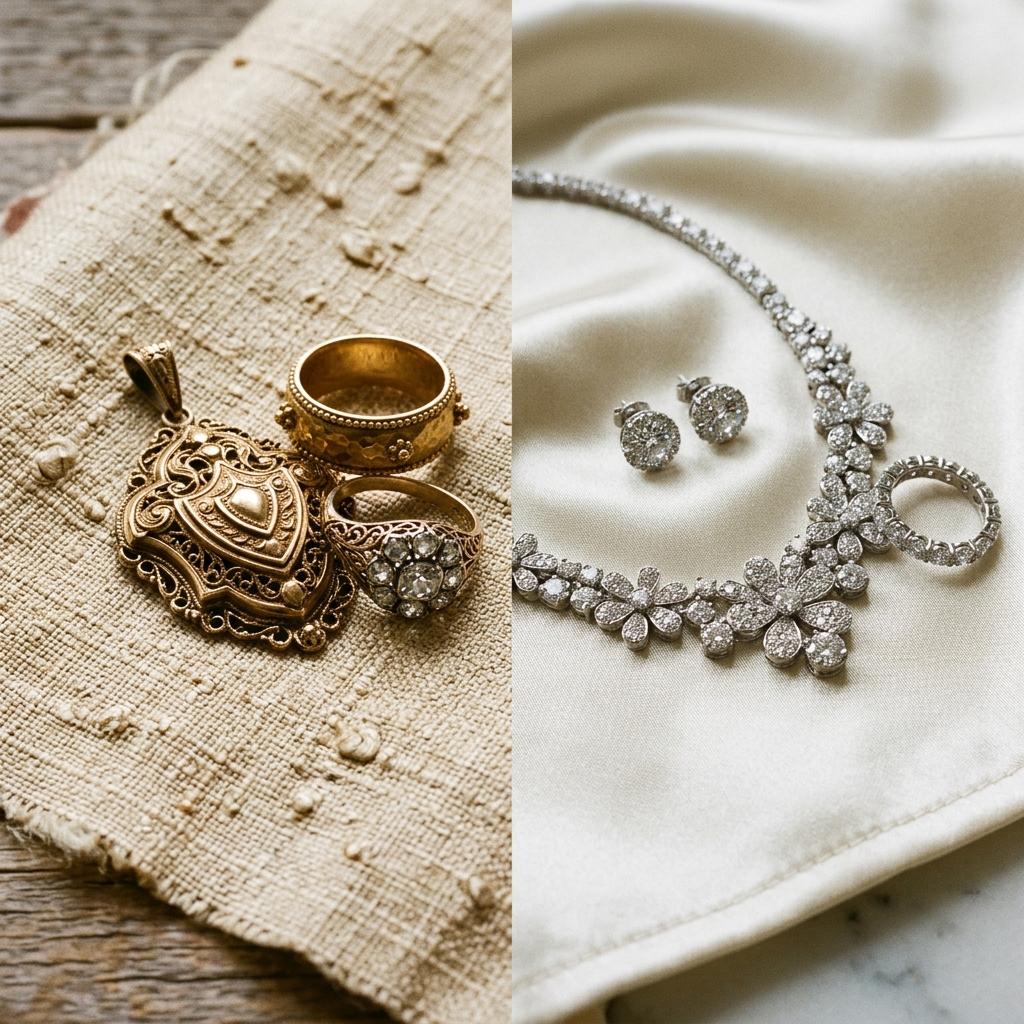
When we think about styling, we usually think about color. But professional stylists know that texture is just as important. The way a fabric reflects or absorbs light completely changes how the jewelry sitting on top of it appears.
If you've ever felt like your expensive jewelry looked 'off' despite the colors matching, the fabric-to-jewelry ratio was likely the culprit.
The Unspoken Language of Fabric: Why Texture Matters in Jewelry Pairing
In the vibrant tapestry of Indian ethnic fashion, every element tells a story – from the intricate embroidery to the rich dyes. Yet, often overlooked is the foundational narrative woven by the fabric itself. Beyond its color, the texture, weave, weight, and sheen of your chosen outfit material possess an unspoken language that profoundly dictates the kind of jewelry that will truly sing. A shimmering diamond, while universally adored, can appear utterly out of place on the rustic charm of a handloom cotton, just as heavy temple jewelry might overpower the ethereal grace of a chiffon saree.
This isn't merely about aesthetics; it's about harmony, balance, and cultural resonance. Indian textiles are steeped in history and tradition, each carrying its own distinct personality. Understanding this intricate interplay between fabric and embellishment is the hallmark of truly expert styling. It's the difference between an outfit that's merely 'put together' and one that feels cohesive, intentional, and well balanced. Let's delve deep into the world of common Indian ethnic fabrics and unlock the secrets to pairing them with their perfect jewelry counterparts, transforming your look from good to more polished.
1. Raw Silk & Handlooms: Embracing the Earthy Elegance
The Character of the Fabric
Raw silk, along with a myriad of handloom fabrics like Tussar, Muga, Matka silk, and various types of hand-spun cottons, share a distinct, organic charm. They are characterized by their slubby, irregular texture, a subtle, often matte sheen, and a sturdy, structured drape. These fabrics celebrate imperfections, with tiny knots and variations in thread count adding to their unique personality. They absorb light rather than reflecting it intensely, creating a rich, deep hue that feels grounded and authentic.
Cultural Context and Styling Philosophy
Handloom fabrics are the soul of Indian textile heritage, representing centuries of artisanal skill and tradition. They are often chosen for significant occasions – weddings, festive celebrations, and cultural events – for their inherent richness and connection to traditional craftsmanship. When styling raw silk or handlooms, the aim is to complement their earthy, artisanal quality, not to overpower it with excessive glitz. The jewelry should mirror the fabric's integrity and handcrafted feel.
The Perfect Jewelry Match: Antique Gold & Temple Jewelry
The matte finish and often intricate detailing of antique gold or temple jewelry are a match made in heaven for raw silk and handlooms.
- Antique Gold: The subdued luster of antique gold, often achieved through a special oxidization process, harmonizes beautifully with the muted sheen of raw silk. Its vintage appeal complements the fabric's traditional roots. Think elaborate haars (long necklaces), chokers adorned with traditional motifs like peacocks or goddesses, and chunky kadas (bangles).
- Temple Jewelry: Originating from South India, temple jewelry is renowned for its intricate carvings depicting deities, flora, and fauna, often embellished with uncut precious stones or pearls. Its inherent weight and cultural significance resonate with the grandeur and traditional essence of raw silk sarees or lehengas. The raw, uncut nature of Kundan or Polki (uncut diamonds set in gold foil) also pairs exquisitely, as their subtle sparkle doesn't clash with the fabric's matte finish but rather enhances its richness.
- Stylist Tip: For a raw silk Kanjivaram saree, consider a layered antique gold necklace set with matching jhumkas and a traditional maang tikka. The warmth of the gold against the rich silk creates an opulent yet grounded look. Even intricate Meenakari work, when done with a slightly muted or antique finish, can be stunning.
What to Avoid & Why
Very shiny, mirror-finish silver or highly polished white gold can look jarring against the organic texture of raw silk. The stark contrast between the rough fabric and the hyper-reflective metal creates a visual dissonance that detracts from the overall elegance. Similarly, delicate, minimalist diamond solitaires might appear "lost" or insignificant against the fabric's robust presence. The fabric's strong character needs jewelry with equal gravitas and a complementary finish.
2. Chiffon & Georgette: The Dance of Delicacy
The Character of the Fabric
Chiffon and Georgette are the epitome of ethereal grace. These fabrics are lightweight, flowing, and semi-transparent, known for their sheer quality and delicate drape. Chiffon is typically smoother and more luminous, while Georgette has a slightly crinkled, matte texture and a more robust weave, offering a bit more body. Both fabrics possess an inherent lightness and fluidity that makes them glide and sway with every movement.
Cultural Context and Styling Philosophy
These fabrics are often associated with contemporary elegance, cocktail parties, evening wear, and bridal dupattas or light sarees. They exude a sense of effortless glamour and sophistication, popular for their comfort and ability to create graceful silhouettes. The key to styling chiffon and georgette is to respect their delicate nature; the jewelry should enhance, not weigh down or overwhelm, the fabric's inherent lightness.
The Perfect Jewelry Match: Lightweight, Delicate & Sparkling
Given their sheer and flowing nature, the ideal jewelry for chiffon and georgette is lightweight, delicate, and often possesses a subtle sparkle that catches the light without being ostentatious.
- Thin Chains & Pendants: Fine gold or platinum chains with dainty pendants (perhaps a single diamond, a small pearl, or a minimalist motif) are perfect. They lie gently on the fabric, adding a touch of sparkle without disturbing the drape.
- Pearls: Pearl strings, especially single strands or delicate multi-strand necklaces, offer a classic and elegant pairing. Their soft luminescence complements the fabric's gentle sheen beautifully.
- Small Jhumkas & Chandbalis: Intricate yet lightweight jhumkas or chandbalis with filigree work or small embedded stones add a touch of traditional charm without being heavy. Rose gold jewelry also works wonderfully, adding a warm, contemporary glow.
- Stylist Tip: If you're wearing a chiffon saree for an evening event, opt for a single 'statement' piece like an elaborate cocktail ring or a pair of stunning diamond stud earrings, rather than a heavy necklace set. This keeps the focus on the fabric's graceful flow while adding a touch of concentrated glamour. For a daytime look, consider delicate silver or gold-plated pieces with pastel-colored stones.
What to Avoid & Why
Heavy, chunky necklaces, large traditional haars, or overly ornate kadas are generally unsuitable. These fabrics 'breathe' and drape exquisitely, and heavy jewelry can physically weigh them down, pull at the delicate weave, or snag the fabric, ruining the intended silhouette. The contrast in weight and visual density can also create an imbalance, making the jewelry appear disproportionately large and the fabric look flimsy.
3. Velvet: The Embrace of Opulence
The Character of the Fabric
Velvet stands apart as one of the most luxurious and heaviest ethnic fabrics. Its defining characteristic is its dense, soft pile, which creates a deep, almost 'void-like' color due to its exceptional light absorption. This quality gives velvet an notable richness and depth, making colors appear incredibly intense and opulent. It has a substantial weight and a regal drape, exuding an air of grandeur.
Cultural Context and Styling Philosophy
Historically, velvet has been associated with royalty and aristocracy in India, often used for winter wear, ceremonial attire, and grand celebratory occasions. Today, it features prominently in bridal lehengas, opulent blouses, and statement jackets. When styling velvet, the goal is to enhance its inherent opulence and deep richness. The fabric acts as a dramatic, dark canvas, demanding jewelry that can create its own light and stand out with brilliance.
The Perfect Jewelry Match: High-Refractive Stones & Grand Designs
Because velvet is so dark and 'flat' in its light absorption, you need jewelry that creates its own light and sparkle, or possesses significant visual weight to complement its luxurious density.
- High-Refractive Stones: Diamonds, Polki, Kundan, and high-quality Cubic Zirconia (CZ) are exceptional choices. Their ability to reflect and refract light creates a brilliant contrast against the deep pile of velvet, making them truly 'pop'. Emeralds, rubies, and sapphires also work beautifully, their vibrant hues glowing against the dark backdrop.
- Heavy Gold Jewelry: Elaborate gold jewelry with intricate embossing, filigree, or studded with precious stones complements velvet's grandeur. Think broad chokers, multi-layered necklaces, and substantial bajubands (armlets).
- Stylist Tip: For a deep maroon or emerald green velvet lehenga, a grand Polki or Kundan choker with matching oversized earrings would be breathtaking. The raw sparkle of the uncut diamonds against the plush fabric creates an effect that is both luxurious and timeless. Consider pairing a velvet blouse with a heavy, statement haar that rests against the rich fabric.
What to Avoid & Why
Matte-finish jewelry, light pearls (unless they are very large and lustrous), or overly delicate pieces tend to get swallowed by velvet's intense richness and light-absorbing quality. They simply don't have enough presence to stand out against such a powerful fabric, appearing dull or insignificant. Avoid anything that lacks sparkle or substantial visual weight, as it will likely be overshadowed.
4. Cotton & Linen: The Essence of Casual Chic
The Character of the Fabric
Cotton and linen are the quintessential fabrics for comfort and breathability, especially in India's often warm climate. They are characterized by their matte finish, often crisp or slightly coarse texture, and a relaxed, comfortable drape. Cotton can range from soft and smooth to slightly textured (like Khadi), while linen is known for its distinctive slubs and propensity to wrinkle, which adds to its natural charm. Both fabrics are beloved for their natural feel and understated elegance.
Cultural Context and Styling Philosophy
These fabrics are the backbone of everyday Indian wear, summer fashion, and casual ethnic styles. They are celebrated in various forms, from handloom sarees (like Ikkat, Kalamkari, Mangalagiri) to kurtas, tunics, and casual suits. They embody an earthy, grounded aesthetic and are often chosen for their comfort and natural appeal. The jewelry for cotton and linen should complement this relaxed, natural vibe, leaning towards artisanal, bohemian, or understated contemporary styles.
The Perfect Jewelry Match: Oxidised Silver & Natural Elements
To match the casual, daytime, and often earthy vibe of cotton and linen, jewelry that is similarly relaxed, handcrafted, and natural in its appeal works best.
- Oxidised Silver (German Silver): This 'cool' metal, with its darkened, antique finish, is the ultimate companion for cotton and linen. It perfectly matches their casual, often bohemian or folk-art aesthetic. Think chunky jhumkas, elaborate necklaces with tribal motifs, kadas, and statement rings.
- Wooden & Terracotta Jewelry: These natural materials are ideal. Wooden beads, carved wooden pendants, and terracotta jewelry (often hand-painted) resonate with the organic feel of cotton and linen, creating a harmonious, earthy look.
- Fabric & Thread Jewelry: Jewelry crafted from textiles, threads, or beads, often vibrant and colorful, adds a playful and artistic touch that complements the handcrafted nature of many cotton and linen outfits.
- Stylist Tip: For a block-print cotton saree, a layered oxidised silver necklace with intricate carvings and matching earrings creates the ultimate 'Boho-Chic' Indian look. For a casual linen kurta, a simple beaded necklace or a pair of wooden drop earrings can add just the right touch of effortless style.
What to Avoid & Why
High-polish diamonds, very heavy gold sets, or overly formal, glittering pieces can look out of place and disproportionately flashy against the humble elegance of cotton and linen. The contrast can make the outfit appear dressed down and the jewelry overly ostentatious, disrupting the casual, natural aesthetic. The goal is to enhance, not overpower, the fabric's inherent simplicity.
Fabric & Jewelry Pairing Matrix: Your Expert Styling Guide
This detailed matrix offers a quick reference for pairing your favorite Indian ethnic fabrics with the most harmonious jewelry styles.
| Fabric Type | Texture/Sheen | Ideal Jewelry Metal | Ideal Stones/Materials | Jewelry Style | Occasion/Vibe | What to Avoid |
|---|---|---|---|---|---|---|
| Raw Silk & Handlooms | Slubby, matte to subtle sheen | Antique Gold, Bronze | Uncut Diamonds (Polki/Kundan), Pearls, Temple Motifs | Heavy, traditional, handcrafted, layered chokers/haars | Festive, Weddings, Traditional | High-polish silver/white gold, delicate solitaires |
| Chiffon & Georgette | Sheer, flowing, delicate | Gold, Rose Gold, Platinum, Silver | Small Diamonds, Pearls, CZ, Pastel Stones | Delicate chains, dainty pendants, small jhumkas, minimalist | Evening, Cocktails, Contemporary | Heavy, chunky necklaces, large traditional sets, overly ornate |
| Velvet | Dense pile, deep light absorption | Gold, Diamond-set Platinum | Diamonds, Polki, Kundan, Emeralds, Rubies, Sapphires | Grand, opulent chokers, statement earrings, elaborate gold sets | Weddings, Formal Evenings, Winter | Matte finish jewelry, light pearls, very delicate pieces |
| Cotton & Linen | Matte, crisp, breathable | Oxidised Silver, Wood | Terracotta, Beads, Fabric, Shell, Semi-precious | Boho-chic, tribal, handcrafted, statement silver, colourful | Casual, Daytime, Summer, Ethnic-contemporary | High-polish diamonds, heavy gold sets, overly glittering/formal |
| Brocade | Richly woven, often metallic sheen | Gold, Antique Gold, Kundan-set | Polki, Kundan, Emeralds, Rubies | Grand, royal, traditional chokers, heavy earrings | Weddings, Formal, Festive | Very delicate silver, minimalist designs |
| Silk Satin | Smooth, high sheen, fluid drape | Diamonds, White Gold, Gold, Pearls | Diamonds, Pearls, CZ, Gemstones (faceted) | Elegant, sleek, minimalist, art deco, delicate layered | Evening, Receptions, Glamorous | Oxidised silver, very chunky tribal jewelry |
Conclusion: AlankarAI – Your Fabric-Savvy Stylist
The journey through the world of fabrics and their perfect jewelry companions reveals that true styling prowess lies in understanding the nuanced dialogue between different textures and finishes. It's about moving beyond mere color coordination to embrace the holistic interplay of light, weight, drape, and cultural context. When you master the fabric factor, your ethnic ensembles transform from simply beautiful to utterly breathtaking, exuding an intentionality and sophistication that speaks volumes.
This deep dive into the 'Fabric Factor' is precisely the kind of intricate detail that AlankarAI, your personal AI-powered ethnic fashion stylist, is designed to understand. Our advanced AI vision engine goes far beyond simplistic color matching. When you upload a photo of your outfit, AlankarAI doesn't just register "Blue"; it reviews the specific weave, sheen, and drape – distinguishing between "Navy Velvet," "Sky Blue Chiffon," "Indigo Raw Silk," or "Royal Blue Cotton."
Harnessing a vast database of traditional Indian textiles and contemporary fashion trends, AlankarAI processes these subtle fabric cues to recommend jewelry that harmonizes perfectly with your chosen material. If you upload a picture of a raw silk lehenga, AlankarAI intuitively understands its traditional gravitas and will suggest a heritage Kundan choker or antique gold jhumkas, rather than a delicate diamond pendant that would be lost. Conversely, for a flowing georgette saree, it will propose lightweight pearl strings or elegant diamond drops, ensuring the jewelry enhances the fabric's fluidity without overwhelming it.
AlankarAI acts as your expert stylist, equipped with the knowledge of countless styling principles, including the critical 'Fabric Factor.' It ensures that every recommendation is not just aesthetically pleasing but also culturally appropriate and structurally harmonious. Discover the perfect synergy between your fabric and your jewels, and unlock a new level of styling confidence with AlankarAI – where every texture finds its perfect adornment.
Want a personalized analysis?
Upload your own outfit photo and let AlankarAI find the perfect matching jewelry for you.
Start Styling NowIndian ethnic-fashion writers and stylists. Every guide is reviewed for accuracy and cultural context before publishing. Read our editorial standards →
Get help choosing the right ethnic accessories.
Subscribe for weekly guides, ask a styling question, or tell us whether this page helped. Your feedback shapes the next AlankarAI guides.
Was this helpful?
A quick tap helps us improve future guides.
Editorial note: AlankarAI guides are written to provide styling education. Some store links on the site may be monetized, but article recommendations are intended to remain useful whether you shop online, locally, or from your own wardrobe.