
By AlankarAI Editorial Team · 5 min read · Reviewed for practical styling guidance
Gajra Hairstyle Guide: How to Style Jasmine Flowers with Sarees, Lehengas, and Festive Kurtas
Gajra can make an ethnic look feel instantly polished, but the right flower styling depends on your hairstyle, jewelry, and outfit mood. Learn how to wear jasmine and mogra gajra with sarees, lehengas, and festive kurtas without making the look feel overdone.
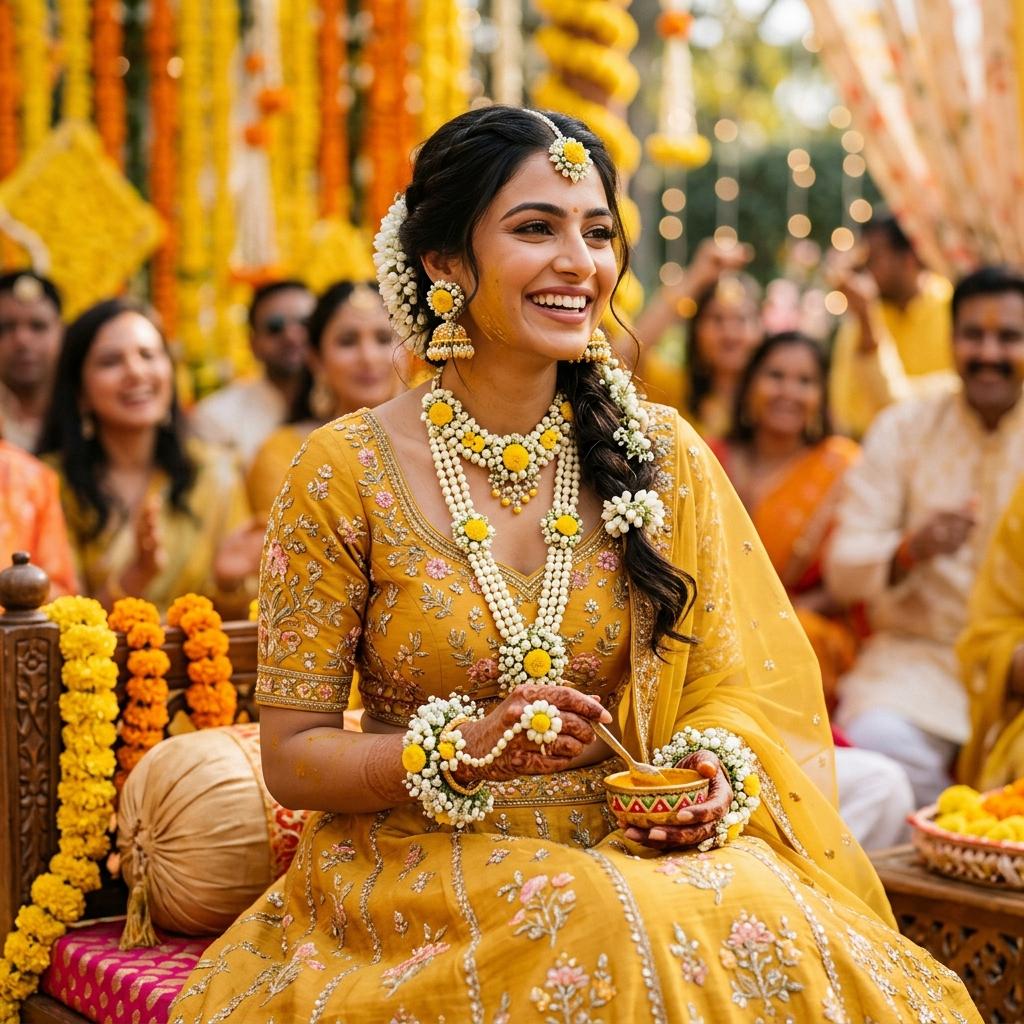
Gajra has a special way of finishing an ethnic look without needing much else. A strand of jasmine around a bun, a soft floral accent on a braid, or a neatly pinned mogra cluster can make sarees, lehengas, and festive kurtas feel more graceful immediately. That is exactly why it needs styling care. If the flowers, jewelry, and hairstyle all compete at once, the look can move from elegant to crowded very quickly.
The best gajra styling feels fragrant, balanced, and intentional. Let the flowers add softness and tradition, then use jewelry and outfit details to support that mood rather than overpower it.
Start with the Hairstyle Shape
Gajra works differently on different hairstyles.
A low bun gives the most traditional structure and is usually the easiest base for jasmine strands. Braids create a longer, more festive line and can handle slightly fuller floral placement. Half-up styles and open hair need smaller gajra placement so the flowers do not look disconnected.
Use this rule:
- low bun = full circular gajra or a neat half-wrap
- braid = floral accents along the braid or at the base
- side bun = one-sided floral emphasis
- open hair or soft waves = small cluster instead of a dense flower ring
This keeps the flowers connected to the hairstyle instead of feeling like an afterthought.
Jasmine and Mogra Suit the Most Looks
White jasmine and mogra are the easiest flowers to style because they work with almost every ethnic color palette. They look especially strong with silk sarees, festive cottons, lehengas, Anarkalis, and temple-ready outfits.
They pair well with:
- gold jhumkas
- pearls
- temple-inspired jewelry
- soft kundan
- classic bindis
If the outfit is already bright or heavily embroidered, white flowers usually keep the overall styling calmer than colorful blooms.
Match the Flower Volume to the Outfit
Not every ethnic outfit needs a full, dense gajra.
If the saree or lehenga is rich with zari, sequins, or heavy bridal work, keep the floral styling more edited. If the outfit is simpler or more daytime-friendly, the flowers can become a bigger part of the look.
Try these pairings:
- silk saree with broad border = neat bun gajra and classic earrings
- pastel lehenga = softer floral wrap with pearls or kundan
- festive kurta set = small jasmine cluster with studs or mini jhumkas
- bridal or pre-wedding styling = fuller flowers only if the jewelry remains controlled
The flowers should complete the outfit, not become a second statement competing with the clothes.
Keep Jewelry in the Same Mood
Gajra already adds a traditional visual cue near the face and hair, so the jewelry should stay aligned with that softness.
The safest matches are:
- temple-inspired earrings with a simple bun
- pearl drops with softer floral styling
- kundan studs or jhumkas for festive evenings
- one maang tikka only when the hairstyle and neckline still have breathing room
Be careful with combining large chandbalis, a heavy necklace, a maang tikka, and a dense gajra all together. That combination can quickly make the upper half look too busy in photographs.
Sarees Usually Carry Gajra Best
Sarees and gajra naturally support each other because both have movement and ceremonial grace. A crisp cotton saree, Kanjeevaram, Kasavu, organza, or festive silk can all work beautifully with jasmine flowers.
For saree styling:
- high-neck or closed-neck blouses usually work best with earrings and gajra only
- open necklines can take a small necklace if the flowers stay neat
- broad blouse sleeve detail often looks better with cleaner wrist styling
When the pallu, border, and bun already bring structure, restraint looks sharper than adding every accessory category.
Lehengas and Festive Kurtas Need Lighter Placement
Lehengas can handle gajra well, but the floral placement should usually stay lighter than with sarees. That is because many lehengas already include volume, dupatta framing, and more visible jewelry.
Festive kurtas and Anarkalis often look best with:
- a low bun and slim flower wrap
- a side bun with one floral accent
- braid-end flowers for daytime events
If the outfit is for mehendi, puja, or a family dinner, a smaller gajra placement often feels fresher and easier to wear than a bridal-scale flower arrangement.
Pick the Right Time and Occasion
Gajra styling can shift depending on the event.
| Occasion | Best gajra direction |
|---|---|
| Temple visit or puja | Neat jasmine bun with gold or pearls |
| Daytime wedding event | Soft floral wrap with edited jewelry |
| Festive family dinner | Small cluster or half-wrap |
| Bridal or pre-wedding look | Fuller flowers with controlled earrings and neckline |
| Office or low-key ethnic day | Minimal flower accent only |
This makes the flowers feel intentional instead of overly ceremonial for the setting.
How AlankarAI Helps
AlankarAI can compare your hairstyle, blouse neckline, jewelry weight, outfit color, and event type to suggest whether the look needs a full jasmine wrap, a small mogra cluster, or no flowers at all. That matters because the right gajra styling depends as much on balance as it does on tradition.
For gajra styling, the strongest result usually comes from keeping one clear focal point. Let the flowers bring fragrance and softness, then let the rest of the look support them without crowding the face and hairline.
Want a personalized analysis?
Upload your own outfit photo and let AlankarAI find the perfect matching jewelry for you.
Start Styling NowIndian ethnic-fashion writers and stylists. Every guide is reviewed for accuracy and cultural context before publishing. Read our editorial standards →
Get help choosing the right ethnic accessories.
Subscribe for weekly guides, ask a styling question, or tell us whether this page helped. Your feedback shapes the next AlankarAI guides.
Was this helpful?
A quick tap helps us improve future guides.
Editorial note: AlankarAI guides are written to provide styling education. Some store links on the site may be monetized, but article recommendations are intended to remain useful whether you shop online, locally, or from your own wardrobe.