
By AlankarAI Editorial Team · 17 min read · Reviewed for practical styling guidance
Handloom Heritage: A Guide to Styling Traditional Indian Weaves
Indian handlooms are a labor of love. From the geometric patterns of Ikat to the complex double-ikats of Patola, learn how to style these artisanal fabrics with jewelry that respects their craftsmanship.
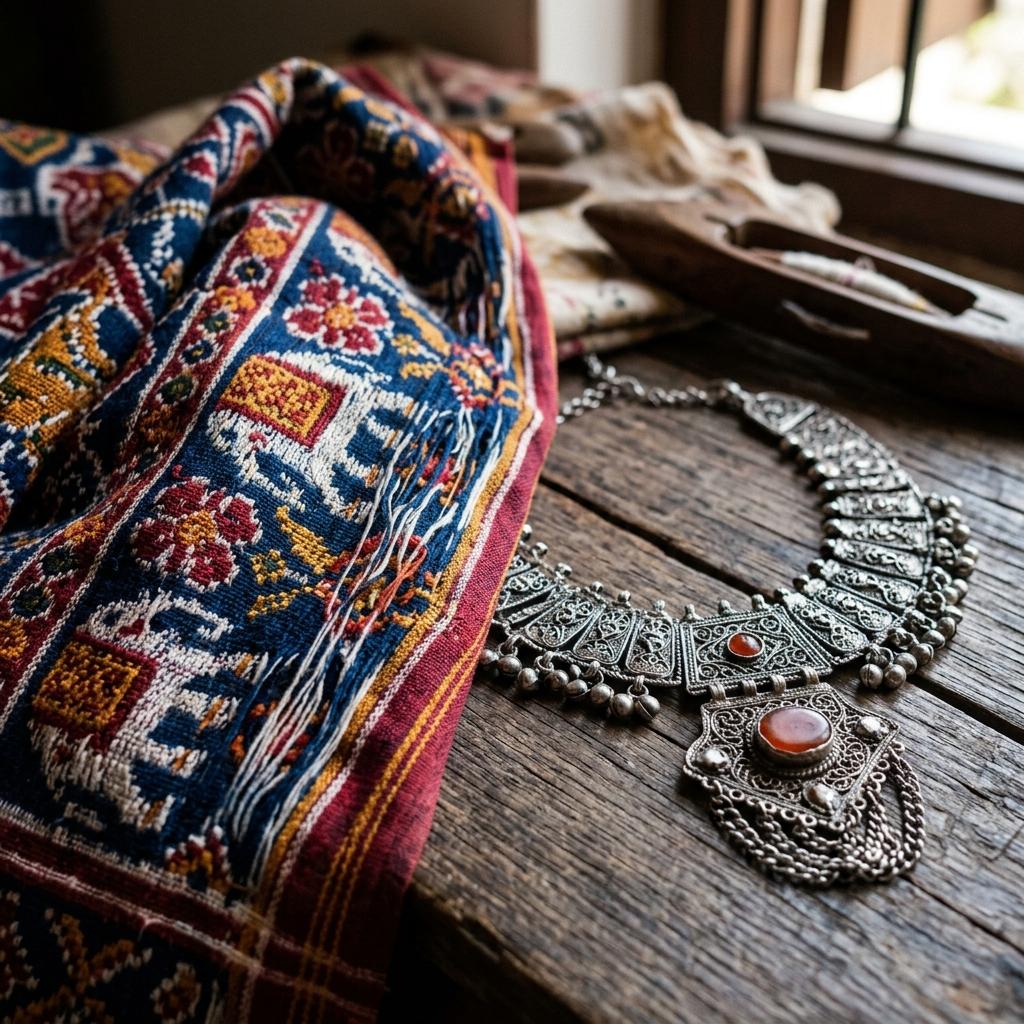
There is a quiet dignity in a hand-woven saree. Whether it's a Pochampally Ikat, a Gujarati Patola, or a Bengal Jamdani, these fabrics are the result of weeks, sometimes months, of painstaking manual labor. Styling them requires a delicate touch—you want to enhance the fabric without overshadowing the intricate weave.
To drape a handloom is to wear a piece of history, a narrative spun from generations of artisanal skill and cultural legacy. Each thread tells a story of human ingenuity, patience, and a deep connection to the earth and its resources. In an era of fast fashion, Indian handlooms stand as a testament to sustainable luxury and timeless elegance. They are not merely garments; they are wearable art, embodying the soul of India's diverse weaving traditions.
As professional stylists at AlankarAI, we believe that understanding the essence of these fabrics is the first step towards truly honouring them. This guide goes beyond basic accessorizing, delving into the cultural context, the unique characteristics of specific weaves, and expert styling insights to help you create ensembles that are sophisticated, intellectual, and deeply rooted in Indian heritage. Our aim is to empower you to style your handlooms with confidence, allowing their inherent beauty to shine through, complemented by thoughtfully chosen elements.
Here is the AlankarAI guide to styling handloom heritage, expanded for the discerning connoisseur.
The Soul of the Thread: Understanding Indian Handlooms
Before we delve into specific styling, it's crucial to appreciate what distinguishes a handloom. Unlike machine-made fabrics, handlooms are woven on traditional looms, often by individual artisans in their homes or small workshops. This manual process imparts unique characteristics:
- Unique Imperfections: Slight variations in weave or texture are not flaws but signatures of human touch, adding character.
- Distinctive Drape: Handlooms often have a fluid, breathable quality that drapes beautifully and comfortably.
- Cultural Narrative: Each weave carries the legacy of a specific region, community, and centuries-old techniques, often reflecting local flora, fauna, and folklore in its motifs.
- Sustainability: Handloom production is inherently more sustainable, with a lower carbon footprint and often using natural dyes and locally sourced materials.
Styling a handloom is therefore an act of respect – for the artisan, the craft, and the cultural heritage it represents. It's about creating a harmonious look where every element, from jewelry to footwear, amplifies the fabric's story without overpowering it.
1. Geometric Weaves: Ikat & Patola - The Dance of Precision
Ikat and Patola are masterpieces of textile art, renowned for their sharp, geometric patterns created through a complex resist-dyeing process applied to the threads before weaving. This technique demands extraordinary precision and foresight, making each piece a testament to the weaver's skill.
Ikat: The Feathered Artistry
Cultural History & Characteristics: Ikat, derived from the Indonesian word "mengikat" meaning to tie or bind, is a resist-dyeing technique where sections of warp and/or weft threads are tied and dyed before being woven. This creates the characteristic "feathered" or blurred edges of the patterns. In India, prominent Ikat traditions include:
- Pochampally Ikat (Telangana): Known for its intricate diamond, square, and geometric patterns, often in vibrant colors.
- Sambalpuri & Bomkai Ikat (Odisha): Featuring traditional motifs like conch shells, wheels, and flowers, often with temple borders.
- Gujarat Ikat: Often simpler, bold geometric patterns.
The beauty of Ikat lies in its controlled imperfection and dynamic visual texture.
AlankarAI's Expert Styling Insights for Ikat:
- The Match: Silver or Oxidised Jewelry. The 'cool' tone of silver, especially in its oxidized form, perfectly complements the artisanal, slightly rustic, and often earthy or tribal vibe of Ikat. The metal's subdued sheen doesn't compete with the fabric's vibrant patterns but rather grounds them.
- Why it works: Historically, tribal and folk jewelry across India often utilized silver, resonating with the hand-crafted, indigenous roots of Ikat. Oxidized silver, with its darker patina, enhances the depth and character of the weave.
- Stylist Tip: Choose jewelry that echoes the geometric motifs found in Ikat – square or triangular pendants, layered necklaces with angular links, or chunky silver bangles with etched patterns. Look for intricate filigree work or traditional tribal designs like Banjara or Lambani jewelry. A bold silver choker or a pair of substantial jhumkas can make a powerful statement without overwhelming the saree.
- Blouse Selection: A plain raw silk or cotton blouse in a solid, contrasting color will allow the Ikat saree to be the focal point. Avoid heavily embroidered or patterned blouses that might clash with the saree's intricate weave. A high neck or a simple boat neck blouse can further enhance the sophisticated appeal.
- Hair & Makeup: Keep it natural and minimalist. Earthy tones for makeup, with perhaps a defined eye. Hair can be styled in a neat braid, a low bun, or loose waves to maintain an understated elegance.
- Footwear & Bag: Kolhapuri chappals or embroidered juttis perfectly align with the earthy, traditional aesthetic. A fabric potli bag or a simple leather clutch completes the look.
Patola: The Royal Tapestry
Cultural History & Characteristics: Patola, particularly the double-ikat Patan Patola from Gujarat, is considered the pinnacle of Ikat weaving. Legend has it that the technique was brought to Patan by the Salvi community from Karnataka in the 12th century. The double-ikat process involves resist-dyeing both the warp and weft threads before weaving, making the alignment of patterns incredibly difficult and time-consuming – a single saree can take months, even years, to complete. Patola sarees are known for:
- Sharp, clear patterns despite the double-ikat technique, often featuring animals (elephants, parrots), floral motifs, and geometric designs.
- Vibrant, jewel-toned colors.
- Being reversible, with identical patterns and intensity on both sides.
- Their royal patronage and symbolic significance, often passed down as heirlooms.
AlankarAI's Expert Styling Insights for Patola:
- The Match: Traditional Gold or Pearl & Gold. Given the opulent and royal history of Patola, traditional gold jewelry is a natural fit. For a more contemporary approach, a blend of pearls and gold can soften the look while maintaining elegance.
- Why it works: Patola sarees are often rich in color and design, making gold a complementary metal that matches their grandeur. Temple jewelry, with its intricate craftsmanship, echoes the saree's detailing.
- Stylist Tip: For a classic look, opt for heritage gold jewelry – perhaps a delicate kundan set or temple jewelry that isn't overly chunky. If the Patola is exceptionally vibrant, choose smaller, more refined gold pieces. A string of pearls intertwined with gold beads can add a touch of sophisticated lightness. Avoid overly modern or minimalist jewelry, which can feel incongruous with Patola's deep traditional roots.
- Blouse Selection: A matching silk blouse or a contrast brocade blouse in a complementary jewel tone works best. Classic necklines like a round neck or a simple square neck allow the Patola to shine.
- Hair & Makeup: A more polished and classic look. Defined eyes, a bold lip, and a neatly tied bun adorned with fresh flowers or a traditional hair accessory.
- Footwear & Bag: Embellished mojaris, delicate heels, or traditional juttis. A brocade clutch or a simple silk potli bag will complete the royal ensemble.
2. Ethereal Elegance: Jamdani & Muslin - Woven Air
Jamdani, a textile marvel from Bengal, is renowned for its sheer lightness and the almost 'ghost-like' patterns that appear to float on the fabric. It is a testament to delicate craftsmanship and poetic beauty.
Jamdani: The Flowing Dream
Cultural History & Characteristics: Originating in Dhaka, Bangladesh (and later thriving in West Bengal, India), Jamdani has been recognized by UNESCO as an Intangible Cultural Heritage of Humanity. It is a supplementary weft weaving technique, where individual motifs are woven by hand directly onto the loom using finer threads, making them appear "embroidered" onto a transparent, often muslin, base.
- Sheer & Lightweight: Often woven with fine cotton or silk blends, making it incredibly breathable and soft.
- Floating Motifs: Intricate floral (Butidar, Panna Hajar), geometric, or traditional motifs that seem to hover on the fabric's surface.
- Soft Drape: Its delicate nature allows for an exquisite, fluid drape.
AlankarAI's Expert Styling Insights for Jamdani:
- The Match: Pearls & Beads. The ethereal, delicate nature of Jamdani calls for jewelry that complements its lightness and luminosity. Heavy gold or large, aggressive stone jewelry can overpower its subtle charm.
- Why it works: Pearls, with their soft luster, echo the gentle shimmer of Jamdani and add a touch of timeless elegance. Multi-colored glass beads or delicate crystal strings introduce color without weight, maintaining the fabric's inherent airy quality.
- Stylist Tip: Opt for a simple string of pearls, a multi-strand pearl necklace, or delicate pearl drops. For a touch of color, choose necklaces made of small, polished glass beads in complementary or contrasting pastel shades. Minimalist gold or rose gold jewelry with small pearl or diamond accents can also work beautifully. Avoid anything chunky, ornate, or overly traditional in gold. A single statement ring or delicate bangles can complete the look without competing with the saree.
- Blouse Selection: Sheer sleeves, a boat neck, or a delicate lace-trimmed blouse would be ideal. Pastel shades or complementary hues in silk or fine cotton will enhance the saree's grace.
- Hair & Makeup: A soft, dewy makeup look with subtle eyes and lips. Hair can be styled in loose waves, a low, messy bun, or adorned with fresh, fragrant flowers like jasmine or tuberose.
- Footwear & Bag: Strappy sandals, delicate flats, or ballet pumps. A pearl-embellished clutch or a small, elegant sling bag.
Muslin: The Weave of Royalty
While Jamdani often uses a muslin base, plain muslin itself is a fabric of incredible fineness. Once known as "woven wind" for its almost transparent quality, it was historically favored by royalty. When styling a plain muslin saree, the principles remain similar to Jamdani – emphasizing simplicity, lightness, and subtle elegance. Focus on minimalist jewelry and a clean, fresh aesthetic.
3. Earthy & Artisanal: Ajrakh & Block Prints - Stories in Color
Ajrakh and other traditional block prints embody a grounded, earthy aesthetic, rich in natural dyes and intricate craftsmanship. They tell stories through repetitive motifs and a deep connection to nature.
Ajrakh: The Indigo Symphony
Cultural History & Characteristics: Ajrakh, primarily practiced in Kutch, Gujarat, and parts of Rajasthan, is a complex block-printing technique using natural dyes like indigo (blue), madder (red), and iron rust (black). The word 'Ajrakh' is believed to be derived from 'azrak,' meaning blue in Arabic, referring to the dominant indigo color. It involves a multi-stage process of resist printing, dyeing, and washing, often under the moonlight, giving the fabric a distinct feel and rich, deep colors.
- Natural Dyes: Predominantly indigo, madder red, black, and white.
- Intricate Motifs: Geometric patterns, stars, constellations, and floral designs, often inspired by Islamic architecture and nature.
- Earthy Feel: The natural dyes and hand-block printing give it a very grounded, organic texture and appearance.
AlankarAI's Expert Styling Insights for Ajrakh:
- The Match: Antique Gold or Terracotta Jewelry. Anything that feels 'handmade,' 'earthy,' and 'authentic' will perfectly complement the raw, natural beauty of Ajrakh.
- Why it works: Antique gold, with its muted luster, harmonizes with the deep, natural hues of Ajrakh without creating a jarring contrast. Terracotta jewelry, often in shades of red, brown, and black, directly mirrors the color palette and handcrafted essence of the fabric. Wooden beads, lac bangles, and tribal silver (often with a darker, aged look) also work beautifully.
- Stylist Tip: Consider a chunky antique gold necklace with intricate work, or a set of terracotta earrings and a matching pendant. Lac bangles in red, black, or gold can add a vibrant touch. Oxidized silver with tribal engravings or a mix of metal and fabric jewelry will also resonate with Ajrakh's artisanal appeal. The goal is to extend the handcrafted narrative from the fabric to your accessories.
- Blouse Selection: A plain raw silk or cotton blouse in a solid color found within the Ajrakh print (e.g., indigo, madder red, black, or cream). A simple, well-tailored blouse will let the print dominate.
- Hair & Makeup: Natural and earthy. Kohl-rimmed eyes, minimal base, and perhaps a subtle brown or terracotta lip color. Hair can be loose, braided, or tied in a casual bun.
- Footwear & Bag: Leather sandals, jute espadrilles, or traditional juttis. A natural fabric sling bag or a simple leather clutch.
Other Block Prints (Sanganeri, Bagru, Kalamkari)
Many other Indian block prints share a similar handcrafted ethos.
- Sanganeri & Bagru (Rajasthan): Known for delicate floral motifs and natural dyes, respectively. Styling principles align with Ajrakh – emphasize the natural and handmade.
- Kalamkari (Andhra Pradesh): Hand-painted or block-printed, often depicting mythological scenes. Here, antique gold or even wooden jewelry with traditional motifs would be excellent choices, echoing the narrative quality of the art.
4. The 'No-Necklace' Look: A Nod to the Neckline
Handlooms often feature stunning, intricate designs that extend up the chest, heavy borders that frame the neckline, or exquisitely woven pallus that demand undivided attention. In such cases, a necklace can compete with, rather than complement, the fabric.
AlankarAI's Expert Styling Insights for the 'No-Necklace' Look:
- The Match: Large Statement Earrings (Jhumkas or Chandbalis). By skipping the necklace, you create an uninterrupted visual flow, allowing the viewer to appreciate the continuity of the hand-woven pattern on the fabric, especially around the blouse and chest area. The focus then shifts to framing the face and drawing attention upwards.
- Why it works: Statement earrings like traditional jhumkas (bell-shaped earrings) or chandbalis (moon-crescent shaped earrings) are quintessentially Indian and can carry an entire look. They add grandeur and sparkle without cluttering the neckline.
- Stylist Tip: Choose earrings that complement the overall aesthetic of your handloom. For Ikat, substantial oxidized silver jhumkas. For Patola, elaborate gold chandbalis or temple jhumkas. For Jamdani, delicate pearl or crystal chandeliers. For Ajrakh, antique gold or silver jhumkas with tribal details. Ensure your hair is styled in an updo, a side-swept look, or tucked behind the ears to fully showcase these magnificent pieces.
- Neckline Considerations: This styling strategy is particularly effective with high-neck blouses, boat necks, or blouses with intricate embroidery around the collarbone. It also works well when the saree itself has a very rich pallu or a heavy border that extends across the shoulder and chest.
- Other Accessories: With statement earrings, keep other jewelry minimal. A single elegant cocktail ring, a stack of simple bangles, or a delicate wrist cuff can suffice. The goal is balance; let the earrings be the undisputed star.
Beyond Jewelry: Completing Your Handloom Ensemble
Styling a handloom is a holistic art. Beyond jewelry, every element contributes to the final narrative.
Blouse Selection
The blouse is the frame for your handloom masterpiece.
- Contrast vs. Matching: A contrasting plain blouse highlights the saree. A matching, subtly textured blouse creates a seamless, elegant look.
- Fabric Choice: Raw silk, brocade, linen, or cotton are excellent choices. Ensure the blouse fabric complements the saree's texture and weight.
- Necklines & Sleeves: Experiment with boat necks, high necks, elbow-length sleeves, or even contemporary cuts like peplum blouses or crop tops, provided they respect the saree's traditional essence.
Draping Styles
The way you drape your saree can dramatically alter its impact.
- Traditional Nivi: The most common drape, elegant and timeless.
- Gujarati Drape: Pallu draped from back to front, showcasing the pallu's intricate work. Ideal for Patola or heavily bordered sarees.
- Bengali Drape: Two broad pleats and key-ring bunch of keys for a distinctive look, perfect for Jamdani.
- Modern Drapes: Contemporary twists can bring a fresh perspective, but always ensure the handloom's beauty remains central.
Footwear & Bag
- Footwear: Traditional Kolhapuri chappals, embroidered juttis, or embellished mojaris are perfect for an ethnic look. For a more sophisticated touch, delicate block heels or strappy sandals in metallic or nude tones work well.
- Bag: Potli bags, embroidered clutches, or simple, structured sling bags in complementary colors or textures. Avoid oversized or overly casual bags.
Hair & Makeup
- Hair: Generally, a neat, classic hairstyle – a bun, braid, or soft waves – complements the traditional elegance of handlooms. Adorn with fresh flowers for an authentic touch.
- Makeup: Opt for a natural, radiant look. Focus on enhancing your features rather than masking them. A classic bindi is almost always a beautiful addition.
Handloom Styling Matrix: Your Expert Cheat Sheet
To distill these insights into an actionable guide, here's a matrix comparing common handloom types with recommended styling elements:
| Handloom Type | Key Characteristics | Recommended Jewelry | Blouse Style & Fabric | Footwear & Bag | Special Styling Tip |
|---|---|---|---|---|---|
| Ikat (Pochampally, Sambalpuri) | Geometric patterns, feathered edges, vibrant, rustic | Oxidised Silver, Tribal Silver, Wooden, Lac | Plain Raw Silk, Contrast Cotton, High Neck | Kolhapuri Chappals, Juttis, Fabric Potli Bag | Echo fabric patterns with geometric jewelry motifs. |
| Patola (Patan) | Sharp double-ikat, jewel tones, opulent, reversible | Traditional Gold (Temple, Kundan), Pearl & Gold | Matching Silk, Contrast Brocade, Classic Round | Embellished Mojaris, Delicate Heels, Brocade Clutch | Let the saree be the star; keep other elements refined. |
| Jamdani (Bengal) | Sheer, lightweight, floating motifs, delicate | Pearls, Glass Beads, Minimalist Gold/Rose Gold | Sheer Sleeves, Boat Neck, Pastel Cotton/Silk | Strappy Sandals, Delicate Flats, Pearl-Embellished Bag | Focus on luminosity and lightness; avoid anything heavy. |
| Ajrakh & Block Prints | Earthy tones, natural dyes, geometric/folk motifs, grounded | Antique Gold, Terracotta, Wooden, Oxidised Silver | Plain Cotton, Raw Silk, Matching Print | Leather Sandals, Juttis, Natural Fabric Sling | Embrace the artisanal, handcrafted feel across all accessories. |
| Kanjivaram (Silk) | Rich silk, heavy zari, traditional motifs, vibrant | Temple Jewelry, Antique Gold, Diamond (minimal) | Matching Silk, Contrast Brocade, Elbow Length | Traditional Heels, Embellished Clutch | Balance the richness with classic, timeless jewelry. |
| Banarasi (Silk) | Intricate brocade, Mughal motifs, luxurious drape | Kundan, Polki, Pearl & Gold, Heritage Gold | Brocade, Silk, High Neck, Elbow Length | Embellished Heels, Designer Clutch | Pair with regal jewelry to match its grandeur. |
| Chanderi / Maheshwari | Sheer, lightweight, silk-cotton blend, fine zari border | Delicate Gold, Pearls, Kundan (light) | Contrast Silk, Cotton, Sleeveless, Boat Neck | Strappy Flats, Small Sling Bag | Maintain the airy elegance; subtle sparkle. |
Conclusion: AlankarAI - Your Personal Handloom Stylist
Styling handlooms is about respect, reverence, and a deep appreciation for the artistry and heritage woven into every thread. You are not just wearing a garment; you are donning a piece of living history, a cultural narrative, and a testament to enduring craftsmanship. By choosing accessories that thoughtfully complement the artisanal nature of the fabric, you create a look that is sophisticated, intellectual, and deeply rooted in Indian culture. It's a statement of conscious fashion, a celebration of slow luxury, and a connection to centuries of tradition.
At AlankarAI, we understand the nuanced beauty of Indian handlooms and the desire to style them perfectly. Our styling tool is designed to be your ultimate guide in this journey. Imagine uploading a picture of your cherished Ikat, Patola, or Jamdani saree, and instantly receiving personalized recommendations for jewelry – whether it's the perfect oxidized silver jhumkas for your Ikat or delicate pearls for your Jamdani. Our platform considers the weave type, color palette, occasion, and your personal style preferences to curate a look that resonates with both tradition and contemporary elegance.
AlankarAI helps you:
- Visualize: See how different jewelry pieces, blouse styles, and even draping techniques look with your specific handloom.
- Personalize: Get recommendations tailored to your unique tastes and the specific characteristics of your handloom.
- Discover: Explore a vast collection of accessories that perfectly complement the intricate details of each weave, ensuring you find pieces that honor its craftsmanship.
Embrace the legacy of Indian handlooms with confidence and style. Let AlankarAI be your trusted companion, transforming the art of styling into an effortless, enjoyable, and deeply satisfying experience. Explore AlankarAI today and unlock the full potential of your handloom heritage.
Want a personalized analysis?
Upload your own outfit photo and let AlankarAI find the perfect matching jewelry for you.
Start Styling NowIndian ethnic-fashion writers and stylists. Every guide is reviewed for accuracy and cultural context before publishing. Read our editorial standards →
Get help choosing the right ethnic accessories.
Subscribe for weekly guides, ask a styling question, or tell us whether this page helped. Your feedback shapes the next AlankarAI guides.
Was this helpful?
A quick tap helps us improve future guides.
Editorial note: AlankarAI guides are written to provide styling education. Some store links on the site may be monetized, but article recommendations are intended to remain useful whether you shop online, locally, or from your own wardrobe.