
By AlankarAI Editorial Team · 15 min read · Reviewed for practical styling guidance
Top 5 Jewelry Trends for the 2026 Wedding Season
From the return of vintage Polki to the rise of avant-garde colored gemstones, the 2026 wedding season is all about bold personal statements. Discover what's trending on the runways and at celebrity weddings.
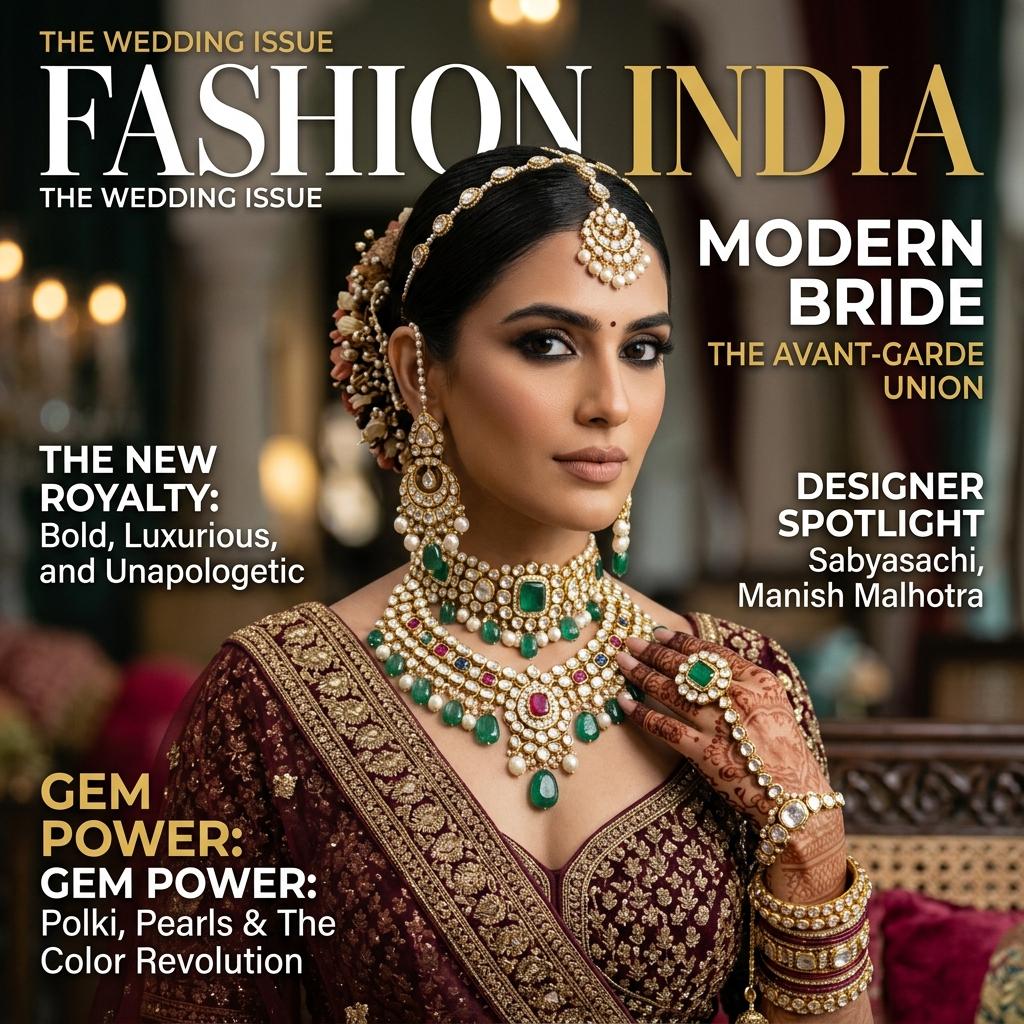
The Indian wedding landscape is a vibrant tapestry of tradition, emotion, and notable grandeur. As we step into the 2026 wedding season, the fashion narrative is witnessing a fascinating, dynamic shift. While the deep-rooted elegance of heritage jewelry remains the foundation, there is a clear and compelling move towards 'Avant-Garde Traditionalism'. This isn't about discarding the old; it's about reinterpreting it, infusing it with contemporary flair, and making it uniquely personal. Brides, bridesmaids, and wedding guests alike are no longer satisfied with standard, predictable sets; they aspire to jewelry that resonates with their individual personality, celebrates their modern lifestyle, and makes a distinctive, unforgettable statement.
At AlankarAI, we leverage trend observation of global fashion weeks, celebrity bridal looks, and extensive market data to predict and understand these evolving trends. Our insights reveal a thrilling blend of classic craftsmanship and innovative design, pushing the boundaries of what Indian wedding jewelry can be. This season is all about embracing boldness, experimenting with color, and prioritizing both aesthetic impact and ethical considerations.
Based on our AI-driven forecasts and a deep dive into emerging patterns, here are the top 5 jewelry trends poised to define the 2026 Indian wedding season, complete with professional styling insights to help you master each look.
1. The 'Big Stone' Energy: A Resurgence of Colored Gemstones
For decades, the Indian bridal jewelry scene was largely dominated by the pristine brilliance of white diamonds, the intricate allure of clear Kundan, and the timeless gleam of gold. In 2026, however, color is not just making a comeback; it's returning with a magnificent vengeance. We are witnessing a massive trend towards incorporating oversized, statement-making colored gemstones into traditional settings, transforming classic designs into vibrant masterpieces.
Why This Trend is So Potent
The appeal of 'Big Stone' energy lies in its ability to inject a powerful pop of personality and opulence into any ensemble. Imagine a serene ivory lehenga instantly elevated by the deep verdant glow of an emerald necklace, or a subtle blush pink saree coming alive with the fiery passion of rubies. These gemstones are not mere accents; they are the focal point, commanding attention and reflecting the wearer's bold spirit. Culturally, gemstones like emeralds (often associated with prosperity and growth), rubies (symbolizing love and passion), and sapphires (representing wisdom and royalty) have always held profound significance, making their resurgence even more meaningful.
Key Gemstones to Watch
- Emeralds: The undisputed king of this trend. From deep Colombian greens to lighter Zambian hues, emeralds are being set in intricate gold, Polki, and Kundan designs. Look for large cabochon cuts or elegant emerald-cut stones.
- Rubies: Symbolizing love and auspiciousness, rubies, particularly deep pigeon-blood reds, are making a significant impact, often paired with diamonds or pearls to create a striking contrast.
- Tanzanite: This relatively rare gemstone, with its mesmerizing violet-blue hues, offers a sophisticated and unique alternative to more traditional colors, perfect for a contemporary bride.
- Sapphires: Classic royal blue sapphires are timeless, but increasingly, we're seeing fancy sapphires in shades of pink, yellow, and even Padparadscha (a rare orange-pink) adding unexpected twists.
- Tourmaline: Available in a spectrum of colors, from vibrant pinks to deep greens, tourmaline offers versatility and a unique sparkle.
Styling Insights for 'Big Stone' Jewelry
- Outfit Harmony: Allow the gemstone to be the star. Pair a magnificent emerald necklace with neutral or complementary-colored outfits like ivory, beige, champagne, or even deep maroon. For rubies, consider teaming them with gold, cream, or deep green fabrics.
- Metal Tones: Yellow gold remains the preferred metal for setting these vibrant stones, enhancing their warmth and traditional appeal. However, rose gold can beautifully complement pink or lighter-toned gemstones, while white gold or platinum can offer a modern, crisp contrast.
- Balancing the Look: If your necklace features a prominent 'big stone,' opt for simpler earrings (e.g., small studs, delicate drops) or skip a maang tikka to avoid overcrowding. Let the central piece truly shine.
2. The Art of Adornment: Multi-Layered Chokers
The era of the single, heavy statement necklace is gracefully giving way to an even grander, more intricate display: the 'Stack'. In 2026, brides and fashion-forward guests are embracing the art of layering multiple chokers of varying widths, textures, and lengths to create a breathtaking 'neck armor' look that is both regal and deeply personal. This trend speaks to a desire for maximalism tempered with thoughtful curation.
A Nod to History, A Leap into Modernity
Layering necklaces isn't entirely new; queens and princesses of ancient India often adorned themselves with multiple strands of pearls and precious stones. This modern interpretation brings that historical opulence into the 21st century, allowing for creative expression through different jewelry styles.
Mastering the Layered Look
The key to successful layering lies in contrast and balance.
- The Foundation: Start with a tight-fitting collar or a narrow Kundan choker that sits snugly at the base of your neck. This provides the anchor for your stack.
- The Mid-Layer: Introduce a slightly looser, medium-width choker. This could be a delicate pearl string, a gold Hasli (a rigid, often open-ended choker), or a vibrant Meenakari piece.
- The Statement Layer: The third or fourth layer can be a slightly longer, more ornate piece, perhaps featuring smaller pendants, intricate filigree, or a string of beads that falls just below the collarbones.
- Varying Textures and Materials: Mix and match! A classic gold choker can be paired with a pearl string, a Kundan set, and even a beaded necklace. The interplay of smooth gold, faceted stones, and lustrous pearls creates visual depth.
- Playing with Widths: Ensure each choker has a distinct width. A narrow gold chain, a medium Kundan piece, and a broader, embellished choker work together harmoniously.
Styling Insights for Layered Chokers
- Neckline is Key: This trend works best with deep necklines (V-neck, sweetheart, boat neck) or off-shoulder blouses that allow the full glory of the layers to be visible.
- Earrings and Hair: With such a dramatic neckpiece, opt for medium-sized jhumkas or elegant drop earrings that complement rather than compete. An updo or half-up hairstyle will showcase your neck adornment beautifully.
- Occasion: While perfect for the main wedding ceremony, this trend can also be adapted for receptions or sangeets by choosing slightly lighter, more fluid layers.
3. Pearls with a Twist: The Allure of Baroque Beauty
Pearls have always been synonymous with timeless elegance, purity, and sophistication in Indian jewelry. Traditionally, perfectly spherical, uniform pearls were the gold standard, gracing classic necklaces and earrings. In 2026, however, pearls are shedding their strictly 'classic' image and embracing a more organic, avant-garde aesthetic. The spotlight is firmly on 'Baroque' pearls—irregularly shaped, natural pearls with unique contours, dimples, and often a mesmerizing iridescent sheen. This trend injects an earthy, modern, and delightfully unconventional feel into traditional designs.
The Charm of Imperfection
Baroque pearls derive their name from the Portuguese word "barroco," meaning "irregular pearl." Unlike their perfectly round counterparts, each baroque pearl is a one-of-a-kind miniature sculpture, celebrated for its unique shape and natural luster. This embrace of imperfection aligns perfectly with the contemporary desire for individuality and authentic expression. They add an element of surprise and a touch of artistic flair.
How Baroque Pearls are Being Integrated
- Statement Pieces: Large baroque pearls are being used as central elements in necklaces, earrings, and even maang tikkas, often framed by diamonds, Polki, or colored gemstones.
- Multi-Strand Necklaces: Instead of uniform round pearls, designers are creating multi-strand necklaces where each strand features baroque pearls of varying sizes and shapes, creating a dynamic, flowing effect.
- Fusion Jewelry: Baroque pearls blend seamlessly with fusion wear, adding a sophisticated yet edgy touch to contemporary outfits like pre-draped sarees or Indo-western gowns.
- Mixed Media: They are frequently paired with other materials like gold, silver, Kundan, and even leather (for a more bohemian look in non-bridal contexts), highlighting their versatility.
Styling Insights for Baroque Pearls
- Modern Traditionalism: These pearls are ideal for brides who want to honor tradition but with a distinctive, modern edge. They pair beautifully with pastel lehengas, contemporary silk sarees, or even minimalist bridal outfits.
- Metal Pairings: White gold and silver settings tend to enhance the cool tones and luster of baroque pearls, creating a sophisticated look. Rose gold can add a soft, romantic touch.
- Complementary Jewelry: Let the unique shape of the baroque pearl be the focal point. Pair a baroque pearl necklace with simple pearl studs or delicate diamond drops. Avoid overly ornate pieces that might detract from its organic beauty.
- Beyond the Wedding: Baroque pearl jewelry transitions effortlessly from wedding functions to post-wedding events, making them a versatile and valuable addition to any jewelry collection.
4. Temple Jewelry with Modern Motifs: A Sacred Evolution
Temple jewelry, with its rich history dating back centuries, originates from the southern states of India and was traditionally used to adorn deities in temples and royalty. Characterized by its intricate hand-carved gold designs, often featuring depictions of gods, goddesses, mythical creatures, and floral patterns, it exudes notable grandeur and spiritual significance. In 2026, this revered art form is undergoing a fascinating evolution. While the meticulous craftsmanship and antique finish remain sacrosanct, the motifs are shifting from strictly religious iconography to a broader spectrum of nature-inspired elements and sophisticated geometric patterns.
Bridging the Past and Present
This trend beautifully bridges the gap between heritage and contemporary aesthetics. It allows brides to embrace the deep cultural roots and artisanal brilliance of Temple jewelry while reflecting their personal style and a more universal appreciation for beauty.
Evolving Motifs
- Nature's Embrace: Expect to see exquisite depictions of peacocks (symbolizing beauty and immortality), lotus flowers (purity and enlightenment), elephants (strength and wisdom), and delicate vine patterns. These motifs offer a softer, more universally appealing aesthetic while retaining a profound connection to nature.
- Abstract Geometrics: A bolder departure sees traditional Temple jewelry techniques applied to abstract geometric shapes, intricate lattices, and symmetrical patterns. This offers a sleek, architectural feel that appeals to minimalist sensibilities within a traditional framework.
- Figurative Elements: While deities might be less prominent, human figures, dancers, and scenes from folklore (non-religious) are finding their way into designs, adding a narrative quality.
Styling Insights for Modern Temple Jewelry
- The Grand Statement: Temple jewelry is inherently grand. It works exceptionally well with traditional silk sarees (Kanjeevaram, Banarasi), heavy lehengas, and Pattu pavadais. The antique gold finish complements rich fabric textures and deep colors beautifully.
- Balancing Act: Because Temple jewelry is often heavy and intricate, consider pairing a statement necklace with matching earrings, but perhaps forgo a heavy maang tikka if the necklace is very elaborate. A simple nose ring can complete the look.
- Hair and Makeup: A classic bun adorned with fresh flowers or a Gajra enhances the traditional appeal. Keep makeup regal but not overly dramatic to let the jewelry shine.
- Occasion Versatility: While perfect for the wedding ceremony, modern Temple jewelry pieces can also be worn for other traditional events like pujas, cultural festivals, or even as a statement piece with an elegant evening gown for a fusion look.
5. Sustainability Takes Center Stage: The Rise of Lab-Grown Polki
As global consciousness around ethical sourcing and environmental impact continues to grow, the jewelry industry is responding with innovative and responsible solutions. In 2026, sustainability is no longer a niche concern; it's becoming a mainstream expectation, especially in high-value segments like bridal jewelry. This trend sees the significant rise of lab-grown diamonds and sustainable Polki as a compelling alternative to traditionally mined stones. These offer the same stunning brilliance, regal aesthetic, and luxurious feel but with a transparent, ethical, and environmentally friendly supply chain.
Understanding Lab-Grown Diamonds and Polki
- The Science: Lab-grown diamonds are chemically, physically, and optically identical to mined diamonds. They are created in controlled laboratory environments using advanced technological processes that replicate the conditions under which natural diamonds form beneath the Earth's crust.
- Polki's Evolution: Polki refers to uncut, unfaceted diamonds, often used in their natural form, set in gold foil. When we talk about "lab-grown Polki," we are referring to lab-grown diamonds that are then used in the traditional Polki setting technique, offering the same raw, rustic charm and brilliant sparkle.
- Ethical Advantages: Lab-grown options eliminate concerns about conflict diamonds, unfair labor practices, and the significant environmental footprint associated with traditional mining. They provide complete traceability and transparency.
- Environmental Benefits: These diamonds require less energy and water to produce compared to mining, and they do not involve land disruption or ecosystem damage.
- Cost-Effectiveness: Often, lab-grown diamonds and Polki offer a more accessible price point for a larger, higher-quality stone, making luxury more attainable without compromise.
Styling Insights for Sustainable Polki
- Seamless Integration: Aesthetically, lab-grown Polki is indistinguishable from its mined counterpart. Therefore, it can be styled in exactly the same way—with intricate Kundan-Polki sets, standalone necklaces, stunning earrings, and elaborate bridal haars.
- Modern Elegance: This trend appeals particularly to the conscious bride who values both grandeur and ethics. It pairs beautifully with contemporary bridal lehengas, fusion outfits, and even traditional ensembles, adding a layer of thoughtful luxury.
- Versatility: From heavy bridal sets to lighter pieces for pre-wedding functions, lab-grown Polki can be incorporated into any design, offering the same dazzling impact.
- Making a Statement: Choosing sustainable Polki isn't just a fashion statement; it's a statement of values, reflecting a commitment to a more responsible future.
Jewelry Styling Matrix for the 2026 Wedding Season
To help you navigate these exciting trends and curate your perfect wedding look, here's a detailed styling matrix. This guide offers expert recommendations for pairing different jewelry trends with outfits, metal tones, and occasions, ensuring you strike the perfect balance between tradition and trend.
| Trend / Jewelry Type | Ideal Outfit Colors | Preferred Metal Tone | Complementary Gemstones / Materials | Best Occasion / Style | Expert Tip |
|---|---|---|---|---|---|
| Big Stone Energy (Emerald) | Ivory, Champagne, Gold, Deep Maroon, Forest Green | Yellow Gold (Antique or Polished) | Diamonds, Kundan, Pearls (small) | Wedding, Reception, Sangeet | Let the stone be the focal point. Keep other jewelry minimal. |
| Big Stone Energy (Ruby) | Gold, Cream, Peach, Deep Green, Royal Blue | Yellow Gold | Diamonds, Emeralds (small accents), Pearls | Wedding, Reception, Engagement | Pairs exquisitely with traditional silk sarees and rich fabrics. |
| Multi-Layered Chokers | Deep V-neck or Sweetheart Necklines (any color) | Yellow Gold, Kundan, Rose Gold | Pearls, Meenakari, Small Diamonds/Polki | Wedding, Grand Reception | Mix textures & widths: a tight gold, a Kundan, a pearl string. |
| Baroque Pearls | Pastels (Blush, Mint, Lavender), Ivory, Contemporary Silks | White Gold, Silver, Rose Gold | Small Diamonds, Mother-of-Pearl | Mehendi, Sangeet, Cocktail, Fusion | Embrace imperfection! Pairs well with modern silhouettes. |
| Modern Temple Jewelry | Kanjeevaram Silk Sarees, Heavy Lehengas (Red, Maroon, Green, Royal Blue) | Antique Gold | Rubies, Emeralds (often incorporated) | Wedding Ceremony, Traditional Events | Best with classic updos or braided hair. Avoid overwhelming other elements. |
| Lab-Grown Polki Sets | Any Bridal Color (Red, Gold, Pastel, Jewel Tones) | Yellow Gold, Rose Gold, White Gold | Colored Gemstones (as accents), Pearls | All Wedding Functions (Wedding, Sangeet, Reception) | A conscious choice without compromising on grandeur. Versatile for any style. |
| Statement Earrings (Jhumkas/Chandbalis) | Any (depending on design) | Gold, Silver, Kundan | Pearls, Small Gems | Mehendi, Sangeet, Pre-Wedding | Can be worn with a simpler necklace or as a standalone statement. |
| Maang Tikka / Mathapatti | Any | Gold, Kundan, Polki | Pearls, Small Gemstones | Wedding, Reception | Choose based on forehead size and hairstyle. Pairs well with updos. |
Conclusion: Embrace Your Unique Radiance with AlankarAI
The 2026 wedding season is a testament to the evolving spirit of Indian fashion – a beautiful symphony where deep-rooted traditions harmonize with contemporary aspirations. It's a year to celebrate individuality, to be bold in your choices, and to express your unique narrative through the exquisite language of jewelry. Whether you're drawn to the vibrant allure of 'Big Stone' energy, the intricate drama of multi-layered chokers, the organic charm of baroque pearls, the sacred evolution of modern Temple jewelry, or the conscious luxury of sustainable Polki, these trends invite you to experiment, mix, match, and truly make a statement.
Fashion, at its heart, is about self-expression, and jewelry is arguably the most powerful and personal way to convey your style, your story, and your spirit. Don't be afraid to break conventional rules, blend different aesthetics, and curate a look that resonates deeply with who you are.
Ready to bring these trends to life and visualize your perfect wedding look? This is where AlankarAI becomes your ultimate styling companion. Imagine no longer having to guess which necklace will complement your lehenga, or how a layered choker will sit with your chosen neckline.
Upload your outfit to AlankarAI's styling tool, and quickly, our platform will analyze your ensemble and recommend the best trending jewelry matches. We'll show you how 'Big Stone' emeralds will pop against your ivory lehenga, how a multi-layered choker stack will complete your regal look, or how sustainable Polki can enhance your contemporary bridal gown. Our AI considers color, cut, style, and occasion, providing practical suggestions you can review.
Step into the 2026 wedding season with confidence, style, and the notable guidance of AlankarAI. Let your jewelry speak volumes, reflecting the radiance of your special day.
Want a personalized analysis?
Upload your own outfit photo and let AlankarAI find the perfect matching jewelry for you.
Start Styling NowIndian ethnic-fashion writers and stylists. Every guide is reviewed for accuracy and cultural context before publishing. Read our editorial standards →
Get help choosing the right ethnic accessories.
Subscribe for weekly guides, ask a styling question, or tell us whether this page helped. Your feedback shapes the next AlankarAI guides.
Was this helpful?
A quick tap helps us improve future guides.
Editorial note: AlankarAI guides are written to provide styling education. Some store links on the site may be monetized, but article recommendations are intended to remain useful whether you shop online, locally, or from your own wardrobe.