
By AlankarAI Editorial Team · 11 min read · Reviewed for practical styling guidance
Kid-Safe Ethnic Wear: Comfort Meets Tradition
Festivals are long, and kids can get restless in heavy fabrics. We explore breathable cotton-silk blends and lightweight jewelry options that keep your little ones looking festive and feeling happy all day.
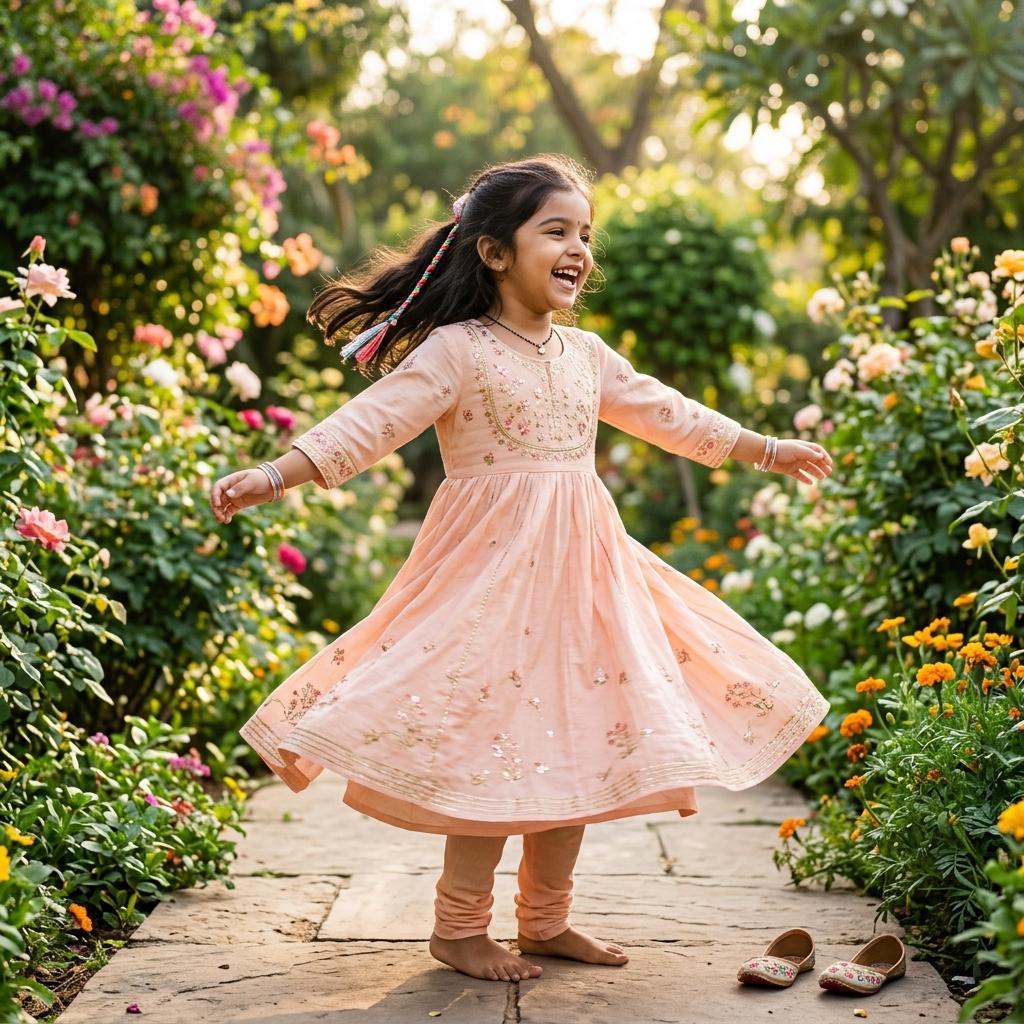
Dressing children for Indian festivals or weddings is often a balancing act between making them look adorable and keeping them comfortable enough to prevent a mid-party meltdown. Heavy silks, scratchy zardozi, and weighty jewelry are recipes for disaster when it comes to active kids. As professional stylists at AlankarAI, we understand that while tradition and aesthetics are important, a child's comfort and safety must always be paramount. This comprehensive guide delves deep into the nuances of selecting kid-safe ethnic wear, ensuring your little ones can revel in the festivities with joy, ease, and style, without a single complaint about an itchy outfit or a heavy necklace. We'll explore fabrics, embellishments, accessories, and practical design considerations that marry cultural elegance with child-friendly functionality.
The Foundation: Fabric is Everything
When selecting ethnic wear for kids, prioritizing fabric over intricate design will save you hours of stress and prevent countless wardrobe battles. The right fabric is the cornerstone of a comfortable outfit, allowing children to move, play, and explore without restriction or irritation.
Embracing Breathable and Soft Fabrics
The Indian subcontinent, with its diverse climate, has a rich heritage of natural, breathable fabrics. Leveraging these materials for children's wear is a smart choice.
- Cotton-Silk Blends: This hybrid fabric offers the best of both worlds. The natural breathability and softness of cotton ensure the child stays cool and comfortable, especially during long events or in warmer climates. The silk component adds a subtle sheen and drape, giving the outfit a festive, luxurious feel without the stiffness or weight of pure silk. Culturally, silk has been associated with celebrations and prosperity, and this blend allows children to partake in that tradition comfortably. Look for blends with a higher cotton percentage for maximum comfort.
- Pure Cotton (Mulmul, Voile, Cambric): Pure cotton, particularly varieties like mulmul (muslin), voile, or cambric, is the undisputed king of comfort for children. Mulmul, known as "woven wind," is incredibly soft, lightweight, and highly breathable, making it ideal for sensitive skin and hot weather. Block-printed cottons, a traditional craft from regions like Rajasthan, offer vibrant patterns on a comfortable base. Cotton is hypoallergenic, absorbs sweat, and allows for unrestricted movement, making it perfect for active kids who need to run, jump, and dance.
- Soft Georgettes and Chiffons: While synthetic, modern georgettes and chiffons are often made from soft, lightweight polyester or silk blends that drape beautifully and feel incredibly light. They offer an elegant, ethereal look without the bulk. For children, ensure these fabrics are lined with a soft cotton inner layer to prevent any potential itchiness or transparency. They are excellent choices for flowy lehengas, Anarkalis, or dupattas, adding a touch of grace without hindering movement.
- Linen: An increasingly popular choice, linen is a natural fiber known for its exceptional breathability and moisture-wicking properties. While it can sometimes feel slightly stiffer than cotton, good quality linen softens with wear and provides a chic, sophisticated look. It's an excellent option for structured kurtas or jackets that still need to be comfortable in warm weather.
Fabrics and Elements to Approach with Caution
Certain fabrics and embellishments, though beautiful, can compromise a child's comfort and safety.
- Stiff Raw Silks and Heavy Brocades: While opulent, raw silk and heavy brocade fabrics lack flexibility and breathability. They can feel restrictive, cause overheating, and often have a coarse texture that irritates delicate skin, leading to discomfort and fussiness.
- Synthetic Nets and Stiff Polyesters: Cheap synthetic nets can be scratchy and irritating, especially around the neck and armholes. Polyester, while durable, often lacks breathability, trapping heat and moisture, which can lead to rashes and discomfort. Always check the lining if these fabrics are used.
- Heavy Sequin Work, Zardozi, and Mirror Work: While stunning, heavy embellishments can be problematic. Sequins, especially those with sharp edges, can scratch or poke. Zardozi (intricate gold/silver thread embroidery) can be stiff and heavy. Mirror work, if not securely attached, can detach and pose a choking hazard for younger children. If these elements are desired, opt for minimal application, flat embroidery, or small, securely stitched motifs, preferably not in areas that come into direct contact with the skin.
The Art of Minimal and Lightweight Jewelry
Indian ethnic wear is often synonymous with elaborate jewelry, which holds significant cultural and traditional value. However, for children, this needs a mindful approach, prioritizing safety and comfort without losing the festive charm.
Safe and Stylish Alternatives
- Thread-Based and Fabric Jewelry: This is a fantastic alternative to heavy metal. Many traditional Indian designs incorporate soft threads, fabric flowers, or embroidered elements into necklaces, earrings, and bracelets. These are weightless, soft against the skin, and come in a myriad of colors to match any outfit. They eliminate the risk of allergic reactions to metals, breakage, or choking hazards associated with small, detachable metal parts.
- Fabric-Wrapped Bangles: Instead of fragile glass bangles (which can break and cause injury) or heavy metal ones (which can be noisy and uncomfortable), opt for fabric-wrapped bangles. These are safe, soft, colorful, and won't scratch or pinch. They are also less likely to break, making them ideal for active play. Wooden bangles with smooth finishes are another great, safe option.
- Clip-on Earrings and Small Studs: If your child's ears aren't pierced, or if they find pierced earrings uncomfortable, lightweight clip-ons are a perfect solution. Ensure they are comfortable and don't pinch. For pierced ears, small, hypoallergenic studs (e.g., surgical steel, pure gold/silver) are preferable to dangling earrings that can get caught or pulled. Avoid anything too heavy or with sharp edges.
- Soft Hair Accessories: Instead of heavy maang tikkas or elaborate hairpins, consider soft fabric headbands, hair clips with fabric flowers, or small, decorative elastic bands. These add a festive touch without any discomfort or weight.
- Light Anklets (Payal): If anklets are desired, choose simple, lightweight silver or thread-based options with smooth edges and minimal bells. Ensure they are not too tight and won't impede walking or running.
Less is More: A Professional Styling Insight
For children, a single, well-chosen piece of lightweight jewelry can make a statement without overwhelming them. A colorful fabric necklace or a pair of cute fabric bangles is often more than enough to complete their festive look. Avoid multiple layers or heavy sets. Remember, the goal is to enhance their outfit, not to burden them.
The Magic of Pastels and Playful Hues
Color plays a vital role in Indian fashion, often reflecting mood, occasion, and regional aesthetics. For children, color choices can significantly impact their comfort and overall demeanor.
The Appeal of Pastels
Pastel colors (mint greens, soft yellows, powder blues, blush pinks, lavender) are incredibly popular for kid's ethnic wear, and for good reason.
- Temperature Regulation: Lighter colors reflect sunlight, keeping the child cooler during outdoor daytime events, which are common for many Indian festivals and weddings. This is crucial for preventing overheating and discomfort.
- Youthful Aesthetic: Pastels exude a fresh, innocent, and youthful charm that perfectly complements a child's natural exuberance. They create a soft, appealing visual that is timeless and elegant.
- Versatility: Pastel outfits are incredibly versatile. They can be dressed up with a touch of embroidery or down for a more casual festive look. They also pair well with a wide range of accessories.
- Psychological Impact: Lighter, softer colors are often associated with calmness and happiness, which can positively influence a child's mood.
Beyond Pastels: Thoughtful Color Choices
While pastels are excellent, other colors can also be incorporated thoughtfully.
- Muted Jewel Tones: For evening events or slightly more formal occasions, muted versions of traditional jewel tones (e.g., a soft emerald green, a dusky rose, a deep but not overpowering teal) can look stunning. The key is "muted" – avoid overly bright or stark shades that might feel too heavy.
- Playful Prints: Instead of large, overwhelming motifs, opt for smaller, delicate prints. Floral patterns, tiny traditional block prints, or fun animal motifs on a light background add character without being visually heavy.
- Cultural Significance: While not as rigid for children, understanding the general cultural associations of colors (e.g., yellow for haldi, red for weddings) can add a layer of authenticity. However, comfort should still dictate the primary fabric choice.
The Right Fit and Design Elements: Beyond Aesthetics
Even with the perfect fabric and color, the fit and overall design of the garment are crucial for a child's comfort and safety.
Imperative of the Correct Fit
- Not Too Tight, Not Too Loose: An outfit that's too tight will restrict movement, pinch, and irritate. One that's too loose can be a tripping hazard or look sloppy. Always ensure there's enough room for the child to sit, stand, run, and raise their arms comfortably.
- Room for Growth: Kids grow fast! Consider buying a size up, especially for outfits that might be worn more than once, but ensure it's not excessively large to begin with.
- Comfortable Waistlines: Elasticated waistbands for lehengas, dhotis, or salwars are far superior to drawstrings or rigid waistbands for comfort and ease of wear.
Thoughtful Design Elements
- Silhouettes for Movement:
- Lehengas: Opt for A-line or ghera (full-flared) lehengas without heavy can-can netting, which can be scratchy and restrictive. A soft, flowing skirt allows for twirling and playing.
- Kurtas/Sherwanis: Straight-cut or slightly A-line kurtas with comfortable, non-restrictive sleeves (avoid very tight cuffs or elaborate embellishments on the sleeves) are ideal.
- Dhoti Pants/Salwars: These traditional bottoms offer excellent freedom of movement. Ensure they have soft elasticated waists.
- Anarkalis: The flowing silhouette of an Anarkali is often a hit with children, allowing them to twirl and feel like royalty, provided the fabric is lightweight and the lining is soft.
- Easy Closures: Buttons, zippers, and snap buttons should be easy for parents to manage and not cause discomfort. Avoid intricate hooks, ties, or laces that can tangle, come undone, or pose a choking hazard for very young children.
- Soft Linings: Any ethnic garment, especially those made with potentially scratchy fabrics (even soft georgettes can feel cool on the skin initially) or with embroidery, must have a soft cotton lining. This creates a barrier between the skin and the outer fabric, enhancing comfort significantly.
- Minimal and Safe Embellishments: If embellishments are desired, choose flat embroidery (thread work, resham), appliqué work, or very small, securely stitched beads. Avoid anything dangling, sharp, or easily detachable. For younger children, even these should be used sparingly.
Kid-Friendly Ethnic Wear Styling Matrix
This table provides a quick guide to matching fabrics, embellishments, and accessories for different kid-safe ethnic wear scenarios.
| Fabric Type | Best For | Embellishment Style | Jewelry Pairing | Key Comfort Feature |
|---|---|---|---|---|
| Cotton-Silk Blend | Festive gatherings, daytime weddings | Light thread embroidery, block prints, small motifs | Fabric necklace, soft bangles, small studs | Breathable, soft sheen, elegant drape |
| Pure Cotton (Mulmul) | All-day wear, summer festivals, casual celebrations | Block prints, appliqué, mirror work (stitched flat) | Thread jewelry, wooden bangles, hair clips | Ultra-soft, highly breathable, hypoallergenic |
| Soft Georgette/Chiffon | Evening events, slightly dressier occasions | Sequin work (minimal, flat), beadwork (secure), lace trim | Minimal clip-ons, delicate fabric flowers | Lightweight, flowy drape, elegant without bulk |
| Linen | Semi-formal events, structured kurtas, cooler weather | Resham embroidery, subtle prints, minimal detailing | Simple silver studs, watch, plain fabric headband | Excellent breathability, structured yet comfortable |
| Rayon/Viscose Blend | Casual festive wear, comfortable daily ethnic | Screen prints, simple embroidery | Colorful fabric bracelets, small earrings | Soft, good drape, comfortable, often wrinkle-resistant |
Conclusion: AlankarAI – Your Partner in Kid-Safe Ethnic Styling
Navigating the world of ethnic wear for children doesn't have to be a source of stress. By focusing on comfort, safety, and thoughtful design choices, you can ensure your little ones look picture-perfect and feel utterly joyful throughout any celebration. The key lies in understanding fabrics, opting for lightweight accessories, embracing playful colors, and prioritizing a comfortable fit.
This is precisely where AlankarAI becomes an invaluable resource for modern parents. Our styling tool is designed to simplify these complex decisions, allowing you to create beautiful, kid-safe ethnic ensembles with ease.
- Intelligent Fabric Filters: AlankarAI allows you to filter outfits by specific fabric types like "cotton-silk blend," "pure cotton," or "soft georgette," ensuring you select only the most comfortable and breathable materials.
- Comfort-Centric Recommendations: Our AI prioritizes garments with features like soft linings, elasticated waistbands, and easy closures, flagging any potentially uncomfortable embellishments.
- Accessory Matching: AlankarAI suggests lightweight, child-friendly accessory options, from fabric bangles to thread necklaces, ensuring the perfect balance of tradition and safety.
- Age and Occasion Appropriateness: Whether it's a casual family gathering or a formal wedding, our engine can recommend styles that are suitable for your child's age group and the specific event, taking into account their activity levels.
- Visual Styling: See how different outfits and accessories look together on virtual models, helping you visualize the complete ensemble before making a purchase.
With AlankarAI, you're not just choosing an outfit; you're crafting an experience of comfort, joy, and cherished memories for your child. Let our expertise guide you in dressing your little ones in ethnic wear that truly lets them shine, play, and celebrate without a single fuss. Explore AlankarAI today and discover the effortless way to blend tradition with your child's happiness.
Want a personalized analysis?
Upload your own outfit photo and let AlankarAI find the perfect matching jewelry for you.
Start Styling NowIndian ethnic-fashion writers and stylists. Every guide is reviewed for accuracy and cultural context before publishing. Read our editorial standards →
Get help choosing the right ethnic accessories.
Subscribe for weekly guides, ask a styling question, or tell us whether this page helped. Your feedback shapes the next AlankarAI guides.
Was this helpful?
A quick tap helps us improve future guides.
Editorial note: AlankarAI guides are written to provide styling education. Some store links on the site may be monetized, but article recommendations are intended to remain useful whether you shop online, locally, or from your own wardrobe.