
By AlankarAI Editorial Team · 6 min read · Reviewed for practical styling guidance
The Silk Saree Preservation Guide: How to Protect Your Heritage
A silk saree isn't just a garment; it's an investment and an heirloom. From Banarasi to Kanjeevaram, learn the essential steps to ensure your silk stays vibrant and your zari stays shiny for decades.
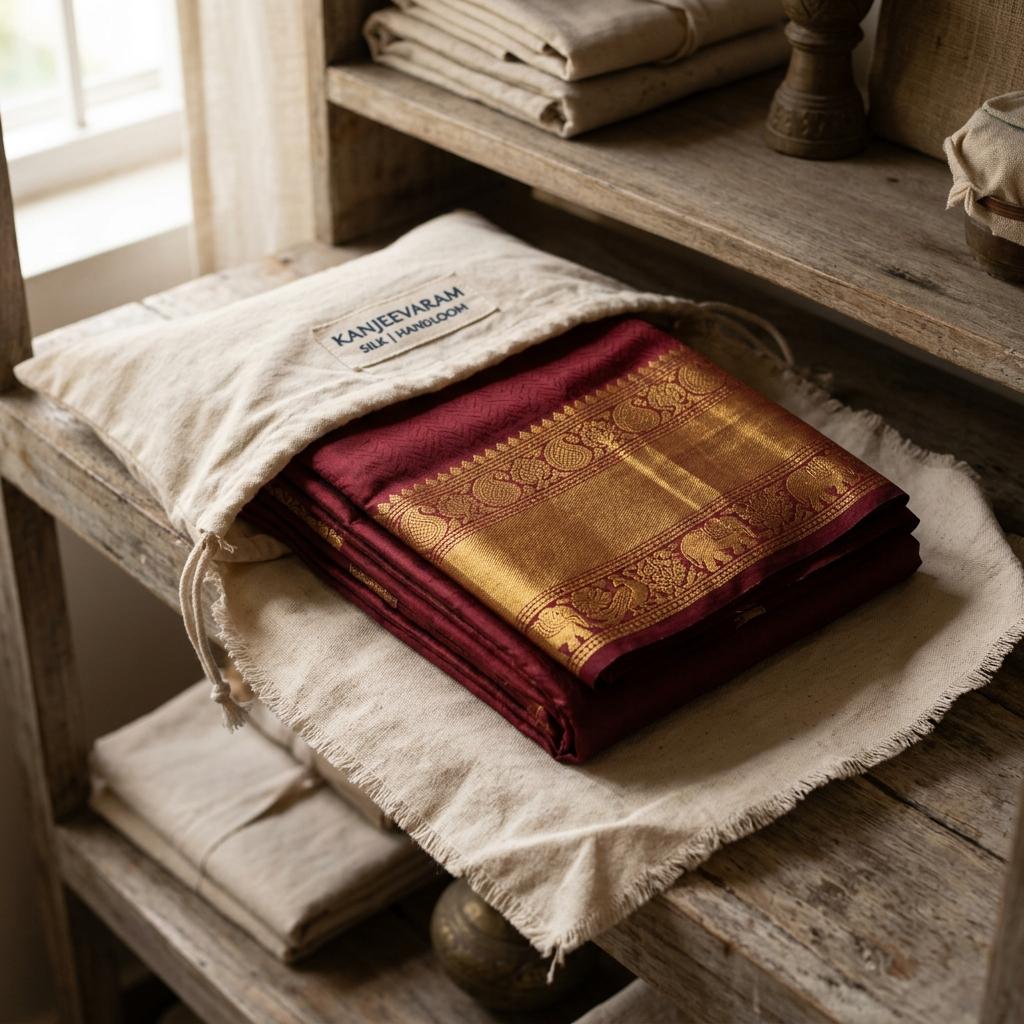
A pure silk saree is far more than just six yards of fabric draped around the body. In Indian culture, it is a treasured heirloom, a repository of memories, a symbol of family legacy, and a significant financial investment. Whether it is a heavily bordered Kanjeevaram from Tamil Nadu, an opulent Banarasi brocade from Uttar Pradesh, or a geometric Patan Patola from Gujarat, each saree is a masterpiece of human skill and artistry.
However, silk is a natural protein fiber, and the metallic threads (zari) woven into it are highly delicate. Improper care, storage, or cleaning can lead to weakened fibers, tarnished metallic work, fading colors, or permanent fabric damage. To ensure that your silk sarees retain their luster and can be proudly passed down to the next generation, you must follow strict preservation protocols.
This definitive guide by AlankarAI will take you through the science and art of caring for, storing, and preserving your precious silk collection.
1. The Chemistry of Storage: Why Plastic is the Enemy
The most common mistake collectors make is storing their silk sarees in plastic bags or airtight containers. Silk is a natural, living fiber that contains a tiny amount of moisture. It needs to breathe.
The Plastic Trap:
When you seal a silk saree in plastic, you trap ambient humidity inside. Over time, temperature fluctuations cause this moisture to condense on the fabric, creating a humid micro-climate. This environment weakens the silk proteins, makes the fabric brittle, and invites mildew, mold, and yellowing, especially on light-colored sarees.
The Right Storage Medium:
- Muslin or Cotton Bags: Always store your sarees in soft, breathable cotton or muslin bags. These fabrics act as natural filters, keeping dust and insects out while allowing air circulation to keep the fibers dry and strong.
- The Cotton Wrap: If you do not have muslin bags, wrapping your heavy sarees in old, clean cotton bedsheets or cotton sarees before placing them on the shelf is an excellent, time-tested alternative.
- Avoid Hangers: While hanging lightweight sarees is acceptable, heavy bridal silk sarees (such as Kanjeevarams or heavy brocades) should never be stored on hangers. The sheer weight of the fabric can stretch the weave, distort the shape, and weaken the shoulders over time. Store them folded flat.
2. Managing the Zari: Preventing Oxidation
Zari is the metallic thread used to weave intricate patterns into silk sarees. Traditional, high-quality zari is made by winding a thread of silver around a silk core, which is then electroplated with pure gold. Because of the silver content, zari is highly susceptible to chemical oxidation, which turns the brilliant gold and silver thread work dull and black.
Zari Preservation Rules:
- Fold Zari Inwards: Always fold your sarees with the zari work facing inwards. This reduces its direct exposure to oxygen, moisture, and ambient gases in your wardrobe, slowing down the oxidation process.
- No Direct Chemical Exposure: Never apply perfumes, body sprays, or deodorants after wearing your saree. The alcohol and chemical propellants in these sprays can tarnish the metallic plating instantly and cause permanent chemical stains on the silk. Apply cosmetics and perfumes first, let them dry completely, and then drape your saree.
- Use Silica Gel: Place small packets of silica gel in your wardrobe shelves. Silica gel absorbs excess moisture from the air, maintaining a dry environment that protects the metallic threads from tarnishing. Keep the packets away from direct contact with the fabric.
3. The "Refold" Ritual: Crease Management
If you leave a heavy silk saree folded in the exact same pattern for months or years, the weight of the fabric creates sharp creases. Over time, the stress along these crease lines weakens the silk threads, causing the fabric to split or tear along the folds.
The Routine:
Every 3 to 4 months, make it a habit to take your silk sarees out of storage.
- Air Them Out: Hang them in a well-ventilated, shaded indoor area for a few hours. Never expose silk to direct sunlight, as UV rays break down the natural dyes, causing rapid color fading and fabric degradation.
- Inspect: Check for any signs of dampness, dust, or insect activity.
- Refold Differently: Fold the saree back using different fold lines. If the saree was folded into fourths, try folding it into thirds, or fold it in reverse. This redistributes the weight and pressure, keeping the fibers flexible and preventing permanent crease stress.
4. Silk Care Quick-Reference Guide
To help you manage different types of silk, here is AlankarAI’s quick care reference matrix:
| Silk Type | Primary Risk | Cleaning Rule | Storage Pattern | Best Pest Control |
|---|---|---|---|---|
| Kanjeevaram | Zari oxidation, fiber stretch | Dry Clean Only | Folded flat, zari inside | Dry Neem Leaves (wrapped in muslin) |
| Banarasi Brocade | Snagging, metallic tarnish | Dry Clean Only | Muslin wrap, folded | Silica Gel packets |
| Mysore Silk | Crease tearing | Mild Handwash / Dry Clean | Soft roll or light fold | Lavender sachets |
| Tussar / Raw Silk | Water spots, shrinkage | Dry Clean Preferred | Breathable cotton bag | Cedarwood blocks |
| Organza Silk | Crispness loss, tearing | Dry Clean Only | Flat storage (no pressure) | Mild insect repellent sheets |
5. Washing, Stains, and Ironing Protocols
Water is not a friend to pure silk. When wet, silk fibers lose up to 20% of their strength, making them highly vulnerable to friction and tearing.
The Cleaning Protocol:
- Dry Cleaning is Best: For heavy, expensive silks with intricate zari, professional dry cleaning is the safest method.
- Delicate Handwashing: For plain or light silk sarees, you can handwash them at home if necessary. Use cold water and a mild, pH-neutral liquid detergent (like baby shampoo or specialized silk wash). Never wring, twist, or scrub the fabric. Rinse in cold water, squeeze gently, and dry flat in the shade.
- Stain Management: If a spill occurs, act quickly. Blot the area gently with a clean, dry microfiber cloth. Never rub the stain, as rubbing spreads the liquid and damages the delicate silk fibers. Take the saree to a professional dry cleaner as soon as possible and inform them of the nature of the stain.
The Ironing Protocol:
- Low to Medium Heat: Always iron your silk sarees on the "Silk" setting.
- Use a Press Cloth: Place a clean, thin white cotton cloth (like a muslin dupatta) over the saree before ironing. Never place a hot iron directly on pure silk or zari, as this can scorch the fibers or melt the metal plating.
- Iron on the Reverse: Whenever possible, iron the saree on the reverse side to protect the front face of the fabric.
Conclusion
A pure silk saree is a labor of love, requiring weeks or months of weaving by master craftsmen. By adopting these careful storage, crease-management, and cleaning habits, you are not just maintaining a piece of clothing; you are preserving a piece of cultural heritage and a valuable family treasure.
At AlankarAI, we are committed to celebrating and preserving traditional ethnic wear. Our platform provides smart tools to catalog your wardrobe, analyze fabric types, and recommend matching jewelry and accessories. Let AlankarAI be your digital partner in styling and preserving your gorgeous ethnic wardrobe!
Have a styling question? Let AlankarAI help you find the suitable match today!
Want a personalized analysis?
Upload your own outfit photo and let AlankarAI find the perfect matching jewelry for you.
Start Styling NowIndian ethnic-fashion writers and stylists. Every guide is reviewed for accuracy and cultural context before publishing. Read our editorial standards →
Get help choosing the right ethnic accessories.
Subscribe for weekly guides, ask a styling question, or tell us whether this page helped. Your feedback shapes the next AlankarAI guides.
Was this helpful?
A quick tap helps us improve future guides.
Editorial note: AlankarAI guides are written to provide styling education. Some store links on the site may be monetized, but article recommendations are intended to remain useful whether you shop online, locally, or from your own wardrobe.